2026 Top Restroom Stall Walls Design Ideas and Trends?
Exploring fresh design ideas for Restroom Stall Walls is essential in today’s spaces. According to industry expert Mark Thompson, “Functional aesthetics can redefine the restroom experience.” As we approach 2026, innovative trends are emerging to elevate these essential partitions.
The focus on restroom stall walls is shifting towards both style and privacy. Materials like wood, metal, and eco-friendly composites are gaining traction. People want their restrooms to feel welcoming yet secure. Vibrant colors and unique textures can transform dull restrooms into inviting spaces. However, finding a balance between creativity and functionality remains a challenge.
The need for durability in restroom stall walls is critical. They must withstand heavy usage while maintaining their appeal. It is imperative to consider maintenance in the design process. A beautifully designed wall can quickly become unappealing if not carefully maintained. Reflecting on these aspects can lead to improved designs and user satisfaction in the future.
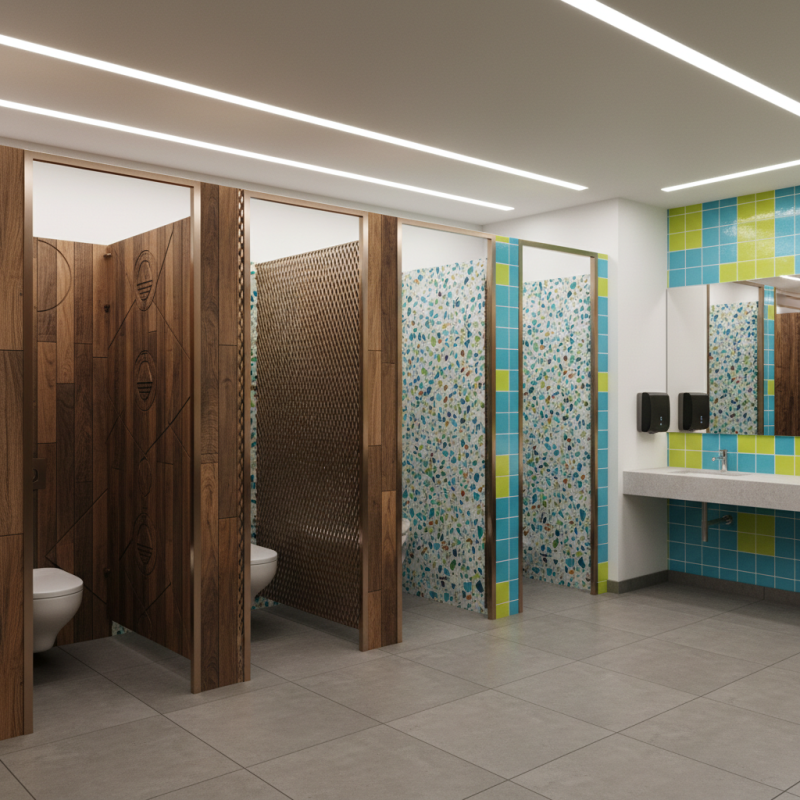
Innovative Materials for Restroom Stall Walls in 2026
In 2026, restroom stall wall design will embrace innovative materials to enhance the user experience. Designers focus on sustainability and functionality. One trending material is reclaimed wood. It adds warmth and a unique touch to any restroom. Imagine the rustic charm it brings. It feels natural and comfortable. However, maintenance can be a challenge. Wood requires regular treatment to prevent wear and tear.
Another exciting option is recycled plastic. This material is durable and water-resistant. It can withstand the challenges of daily use. Colors and textures can be customized, adding a modern flair. The downside? The environmental impact of the production process raises questions. It’s essential to consider not just aesthetics but also the lifecycle of these materials.
Additionally, composite materials, like fiberglass, offer strength and ease of cleaning. They are lightweight yet robust. However, their appearance may lack the warmth found in other options. Balancing practicality with comfort is key. Designers must think critically about how to best serve users while being mindful of environmental impacts.
Color Trends for Restroom Stall Designs: A 2026 Perspective
Color plays a significant role in restroom stall designs for 2026. The trend is moving towards more vibrant hues. Soft pastels like mint green and blush pink are becoming popular. These colors create a calming atmosphere. However, bold shades like deep blue and emerald green are gaining traction. They add energy and sophistication, yet they may overwhelm some spaces. Balancing these colors is essential.
Textures will also enhance color trends. Matte finishes can soften bold colors. Glossy surfaces will intensify light and color. Combining these elements can be challenging. Some may find it hard to achieve harmony. Patterns can help unify a space. Geometric designs or subtle prints can add interest.
Color trends are often subjective. What works in one setting may not translate well to another. Facilities need to consider their audience. The goal is to create an inviting environment. Reflection on the choice of colors and textures is crucial. A well-thought-out color scheme can elevate the restroom experience.
2026 Top Restroom Stall Walls Design Ideas and Trends
| Color Trend | Material | Finish Type | Durability Rating | Sustainability Factor |
| Soft Pastels | High-Pressure Laminate | Matte | 8/10 | 70% |
| Bold Jewel Tones | Stainless Steel | Polished | 9/10 | 80% |
| Earthy Tones | Recycled Plastic | Textured | 7/10 | 90% |
| Bright Primary Colors | Fiberglass | Glossy | 8/10 | 60% |
| Neutral Grays | Melamine | Satin | 6/10 | 75% |
Sustainable Design Practices for Restroom Stall Walls
Sustainable design practices for restroom stall walls are gaining traction in the industry. According to a report by the Green Building Council, 75% of builders now prioritize eco-friendly materials. This shift reflects a growing awareness of environmental impacts. Designers are exploring recycled materials like reclaimed wood and composite panels. These choices reduce landfill waste while adding unique aesthetics.
Moreover, the emphasis on durability is paramount. Studies show that sustainable materials can extend the lifespan of restroom stall walls by up to 30%. For instance, high-density polyethylene (HDPE) is increasingly popular. It’s resistant to moisture and bacteria, which minimizes maintenance needs. However, the production of some sustainable materials still raises concerns about carbon footprints. It's a balancing act between sustainability and resource consumption.
Additionally, water conservation trends influence design. Features like low-flow sinks accompany stall walls. Designers report a growing demand for spaces that not only look good but also conserve resources. The challenge is guaranteeing sustainable choices do not compromise user experience. Reflecting on these complexities can inspire better solutions within the industry.
Maximizing Privacy and Space Efficiency in Restroom Stall Design
When designing restroom stalls, privacy and space efficiency are key considerations. Designers are embracing innovative materials that provide both durability and a sense of seclusion. Frosted acrylic panels and high-backed partitions can enhance privacy while also making spaces feel less cramped. These materials allow natural light to filter through without compromising comfort. This is a trend many facilities are starting to adopt.
Space layout is another critical factor. Thoughtful configurations can make a small restroom feel larger. Utilizing corner stalls or adding mini partitions helps maximize available space. However, sometimes the design choices do not allow for optimal flow or accessibility. There’s also a risk of over-designing spaces, causing confusion or discomfort.
Attention to detail is essential. Including hooks, shelves, or even artistic touches can greatly improve user experience. Yet, it can be challenging to balance aesthetics and functionality. Efforts to create a soothing atmosphere may sometimes clash with privacy needs. As we move into 2026, the goal remains to find harmony in design choices that prioritize both privacy and efficiency.
Technology Integration in Modern Restroom Stall Wall Solutions
Modern restroom stall wall solutions are seeing a significant transformation. The integration of technology is at the forefront of this change. For example, data from industry reports indicate that nearly 65% of new restroom designs include smart features. These features enhance user experience and promote hygiene.
Smart sensor systems are becoming common. They trigger automatic doors, reducing touch points and improving cleanliness. Reports show that facilities implementing such technology have observed a 25% decrease in maintenance costs. Restroom stalls equipped with touchless systems can help prevent the spread of germs. However, users sometimes express frustration with malfunctioning sensors. This highlights the need for ongoing improvements in technology reliability.
Moreover, the use of sustainable materials in stall walls is on the rise. Innovative materials such as recycled plastic and bamboo are gaining traction. These materials not only reduce environmental impact but also provide durability. Yet, some contractors report challenges in sourcing quality eco-friendly materials. This reflects the complex balance between sustainability and practicality in design choices. Users appreciate the aesthetic appeal, but they also expect reliability and maintenance ease.