2026 Top Compression Ankle Wrap Types for Global Buyers?
Global buyers entering the 2026 support-wear market need more than attractive packaging and low unit prices. They need evidence, fit accuracy, material transparency, and dependable supply. A Compression Ankle Wrap may support everyday stability, post-exercise comfort, or mild swelling management. It should not be presented as a cure or a substitute for clinical advice.
The World Health Organization reports that approximately 1.71 billion people live with musculoskeletal conditions worldwide. This broad demand helps explain continued interest in practical, non-invasive support products. Grand View Research’s 2024 Compression Therapy Market report also identifies sustained growth across compression garments and related devices, driven by aging populations, sports participation, and home-based care. These reports offer useful market direction, although their categories do not always isolate ankle wraps. That limitation matters.
Material choice becomes visible during use. A breathable knitted sleeve feels different from a neoprene wrap after eight hours. Hook-and-loop straps can improve adjustability, yet weak fasteners may loosen during walking. Buyers should compare compression levels, ankle circumference ranges, seam placement, latex content, wash durability, and labeling requirements for each destination market.
Small details matter.
Clinical evidence also requires careful reading. Compression may be unsuitable for some users with circulation problems, skin damage, or unexplained swelling. Suppliers should provide measurable specifications and avoid exaggerated medical claims. In this 2026 guide, we compare elastic sleeves, adjustable wraps, stabilizing braces, and hybrid designs for global purchasing decisions. The best option is not always the strongest one; it is the product that matches the user, application, and verified compliance requirements.
What Is a Compression Ankle Wrap and How Does It Work?
A compression ankle wrap is an adjustable support made from elastic fabric, knitted material, or layered straps. It gently presses around the ankle to help manage mild swelling and improve comfort during movement. Some designs cover the heel, while others leave it open for easier walking.
The wrap works through controlled pressure. Compression can encourage fluid movement away from the ankle and provide light support to soft tissues. A well-fitted wrap should feel secure, not painful. It may reduce puffiness after standing, travel, exercise, or minor strain. However, compression does not repair every injury. It is easy to mistake tightness for effectiveness. Numbness, cold toes, skin color changes, or increasing pain require immediate removal and professional advice. Buyers should check sizing charts, fabric stretch, fastening strength, and washing instructions. Breathable materials matter in warm climates.
Tips: Measure the ankle when swelling is lowest, then compare the result with the supplier’s chart. Put the wrap on smooth, dry skin and remove wrinkles near the heel. Walk briefly and check your toes after several minutes. If the support slides or leaves deep marks, the size or design may be wrong. A clinician should guide use after surgery, with circulation concerns, or when swelling has no clear cause.
Key Compression Ankle Wrap Types Available in 2026
Key Compression Ankle Wrap Types Available in 2026
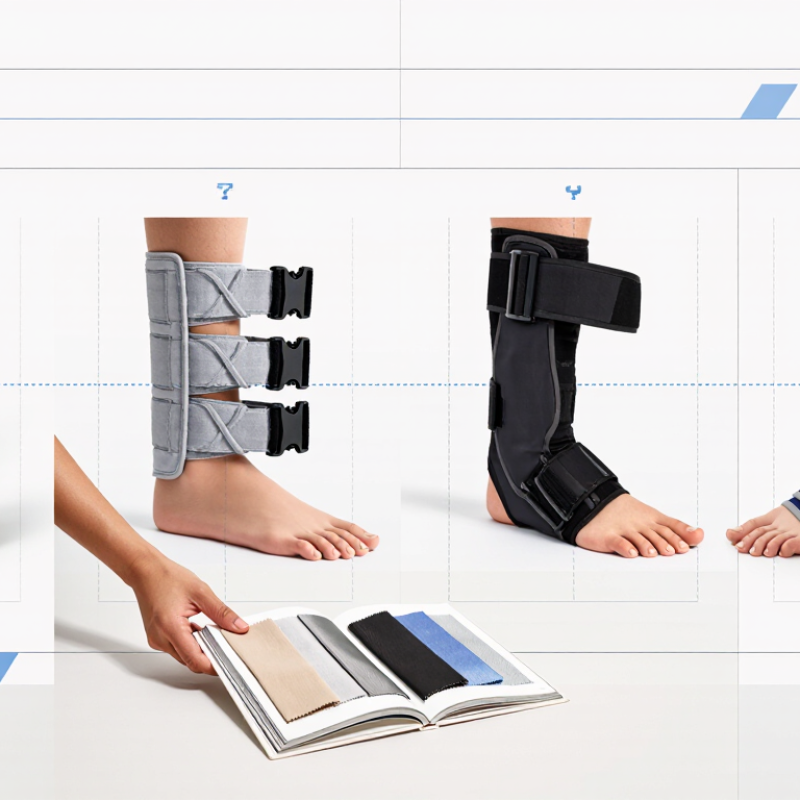
Global buyers can choose from several compression ankle wrap types in 2026. Elastic compression sleeves provide light, even pressure around the ankle. They are thin, breathable, and easy to wear inside everyday shoes. These sleeves suit mild swelling, travel, and low-impact activities. Some include heel openings for better movement.
Figure-eight wraps offer more focused support around the ankle joint. Their crossing straps can limit unwanted rolling without making the foot feel rigid. Lace-up compression braces provide firmer stabilization, especially during training or recovery. Adjustable hook-and-loop wraps are practical for different users because tension can change during the day. However, loose straps may reduce support, while excessive pressure can cause discomfort.
Some buyers also consider pneumatic or air-cell wraps. These models use inflatable sections to create targeted compression, but they usually cost more and require careful fitting. Material quality matters. Look for soft seams, reliable fasteners, moisture control, and clear size measurements. In practical purchasing, sizing remains a common weakness. Foot length alone may not reflect ankle circumference. A wrap that feels comfortable for ten minutes may feel restrictive after several hours. Buyers should check compression levels, washing instructions, and intended use with qualified medical guidance when swelling is persistent or unexplained.
How to Compare Support, Compression, Materials, and Fit
2026 Top Compression Ankle Wrap Types for Global Buyers
How to Compare Support, Compression, Materials, and Fit
Choosing an ankle wrap requires more than comparing advertised compression numbers. Support and compression are related, but they are not identical. A rigid stabilizing wrap limits side-to-side movement, while an elastic compression sleeve mainly manages swelling and gives gentle support. In product evaluations, I check whether pressure feels even from the foot upward. A tighter wrap is not automatically better. Excess pressure may cause numbness, tingling, or skin irritation.
Materials influence comfort during long wear. Nylon and spandex blends usually provide stretch and recovery, while breathable knitted fabrics may reduce heat around the ankle. Neoprene can feel supportive, but it may become warm during active use. Buyers should inspect seam placement, hook-and-loop strength, odor control, and washing instructions. Latex-free options can help users with sensitivities. Product test reports and clear measurement charts add reliability, although charts are not always perfect.
Tips: Measure the ankle at the narrowest point, preferably at the end of the day. Compare the result with the supplier’s chart, not your shoe size. Check the wrap inside a normal shoe and during simple walking. It should feel secure, not restrictive. One mistake I still see is selecting a universal size for every market. Foot shapes differ across regions, and fit testing can reveal problems that specifications miss. Stop using the wrap if pain, color changes, or persistent numbness develops.
2026 Top Compression Ankle Wrap Types for Global Buyers
How to compare support, compression, materials, and fit
The chart uses a comparative 1–5 suitability index based on common construction characteristics of each ankle-wrap type: 1 indicates lower suitability and 5 indicates higher suitability. Elastic wraps provide strong adjustability and breathability, while stirrup and lace-up braces generally provide more mechanical support. Compression sleeves offer the most consistent compression when correctly sized, but their adjustability is limited.
Material and fit considerations: elastic and nylon-spandex fabrics are lightweight and breathable; neoprene provides warmth and moderate support but may retain more heat. Buyers should verify sizing standards, compression class, stretch recovery, seam quality, and wash durability with suppliers before purchase.
How to Select Suppliers, Sizes, Certifications, and Packaging Standards
For global buyers in 2026, compression ankle wraps require more than attractive samples. Supplier selection should begin with traceable materials, stable production records, and clear quality-control procedures. Request pre-production samples, test reports, and batch records before placing a large order. A factory audit is useful, but it cannot replace independent inspection.
Sizing must match real users, not only a supplier’s chart. Check ankle circumference, foot length, wrap overlap, and fastening strength. Compression levels should be stated in mmHg when applicable, with test methods clearly identified. Ask whether measurements remain consistent after washing and repeated stretching. A small size error can cause discomfort or poor support. This detail is often underestimated.
Certifications and market documents need careful review. ISO 13485 may support the manufacturer’s quality system, while skin-contact testing can help assess material safety. CE marking, FDA requirements, or other registrations depend on the target market and product classification. Never accept vague claims such as “internationally certified.” Verify issuing bodies and current validity. Packaging should show size, material, care instructions, lot number, compression information, and importer details where required. Use moisture-resistant inner bags and cartons tested for stacking and transport. I have seen excellent wraps damaged by weak packaging. A perfect sample can still expose a weak process. Supplier communication also deserves testing; delayed answers often predict delayed corrective action.