What Are the 2026 Top Desk Armchair Types for Global Buyers?

In 2026, global buyers are examining the Desk Armchair beyond appearance. They want comfort, durability, flexible use, and responsible sourcing. A chair may sit in a compact home office, an executive room, or a shared workplace. Each setting demands a different response.

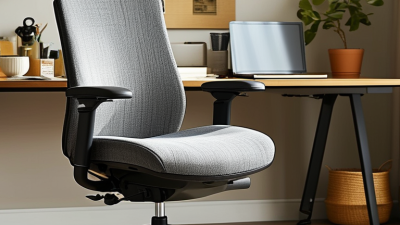
Charles Eames, a highly influential furniture designer, once said, “The chair is the most difficult thing to design.” His observation still matters. A successful Desk Armchair must support the back without feeling rigid. It should allow smooth movement, stable arm support, and practical height adjustment. Mesh-back ergonomic models suit warm climates and long working hours. Upholstered executive types offer stronger visual presence and softer contact. Compact swivel armchairs serve apartments and multifunctional rooms. Sustainable models increasingly use recycled materials, repairable parts, and traceable manufacturing.

Global purchasing teams should compare seat depth, foam resilience, base strength, warranty terms, and replacement access. They should also test the armrest height against real desks. Small mismatches create daily discomfort. Not every “ergonomic” label proves useful. That assumption deserves questioning. Product certifications, factory audits, user testing, and transparent material data provide stronger evidence. Regional needs also differ. Buyers in humid markets may prioritize breathable fabrics, while colder regions may prefer warmer upholstery. Shipping volume, assembly requirements, and after-sales support can change the true cost. The best 2026 choices will not be identical everywhere. They will balance human comfort, commercial value, and long-term accountability. Some predictions may miss the mark. Buyer feedback must remain part of the decision.
What Are the 2026 Top Desk Armchair Types for Global Buyers?

Defining Desk Armchairs and Their Role in Modern Workspaces

What Are the 2026 Top Desk Armchair Types for Global Buyers?

Defining Desk Armchairs and Their Role in Modern Workspaces

A desk armchair combines a supportive seat, a backrest, and armrests for desk-based work. Unlike a basic office chair, it often feels more substantial and domestic. Its silhouette may resemble a lounge chair, yet its height supports writing, typing, and screen use. A reliable desk armchair should allow stable posture without forcing the shoulders upward. It should also fit beneath the desk when not in use. Small details matter.

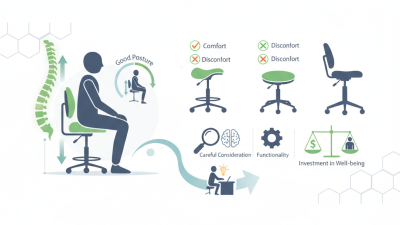
Modern workspaces use desk armchairs for private offices, meeting rooms, reading corners, and hybrid work areas. A swivel base helps users turn between screens and documents. Adjustable height supports different desks and body proportions. Firm cushioning can improve movement, while excessive softness may encourage slouching. Ergonomic assessments usually examine seat depth, lumbar support, armrest position, and foot contact with the floor. Comfort is not merely a visual feature.

Looks can mislead.

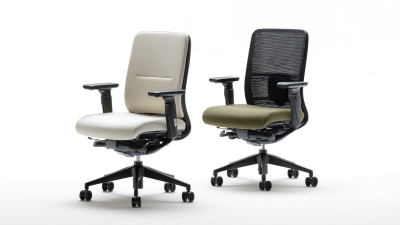
For global buyers in 2026, common types include compact swivel armchairs, executive desk armchairs, and upholstered task armchairs. Compact models suit smaller apartments and shared offices. Executive styles provide a broader seat and stronger visual presence. Task versions usually prioritize adjustment and long working sessions. Buyers should check measurements, materials, assembly requirements, and regional safety expectations before ordering. User testing remains valuable because one person’s supportive cushion may feel too firm to another. Even careful specifications cannot replace real sitting experience.

Key Desk Armchair Types Emerging for Global Buyers in 2026

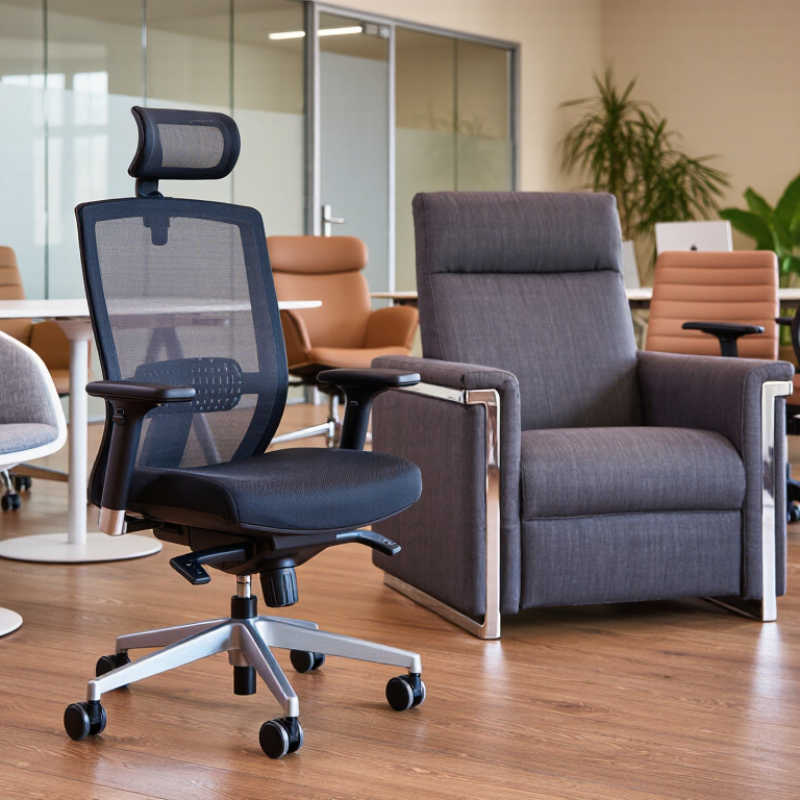
In 2026, global buyers are watching desk armchairs that combine task support with lounge comfort. The ergonomic task armchair remains important, especially for long computer sessions. Adjustable lumbar support, a synchronized recline mechanism, and breathable mesh can reduce heat and pressure. However, comfort depends on body size, desk height, and working habits. One standard shape rarely suits everyone.

Compact hybrid armchairs are also emerging for apartments, shared offices, and flexible workspaces. These models usually have narrower frames, movable armrests, and firmer seat cushions. Some include hidden cable channels or small tablet surfaces. Another growing type is the recycled-material armchair, designed with removable covers and replaceable components. Buyers should request material evidence, weight limits, warranty terms, and test reports. Visual claims alone are not enough. A beautiful chair may still feel stiff after two hours.

Tips: Test the chair with your actual desk height. Check whether the armrests enter the typing zone. Ask for seat-depth measurements, not only overall dimensions. Review packaging size for international shipping. Also, leave room for regional preferences, because softer cushions may appeal in one market but frustrate users elsewhere. Early products can look innovative while sacrificing repairability. That weakness deserves attention.

Comparing Comfort, Ergonomics, Materials, and Adjustable Features

Desk armchairs in 2026 are moving beyond soft cushions and attractive silhouettes. Global buyers are comparing pressure relief, posture support, materials, and adjustment range. A comfortable seat should distribute weight across the thighs and hips. Too much softness can let the pelvis slide backward. That feels pleasant for ten minutes. Then the lower back may work harder. During product checks, I look for a stable five-point base and smooth casters.

Ergonomics depends on fit, not feature count. Fit comes first. Seat height should let both feet rest flat, with knees near hip level. Seat depth matters when a shorter user needs two or three fingers behind the knee.

Adjustable armrests should support relaxed shoulders, not lift them. Lumbar support must meet the user’s curve without creating a hard bump. Recline tension is useful when it responds gradually. A sudden lock can feel unsafe. Headrests remain optional; they can help during calls but hinder an active posture.

Material choice changes daily comfort. Breathable mesh suits warm offices, while woven fabric feels warmer in dry rooms. Leather alternatives wipe clean, but their surface may become hot under direct sunlight. Look for reinforced joints, replaceable casters, and clear adjustment instructions. These details support maintenance across different countries and service conditions.

I would not trust a chair because it has many levers. Some controls are confusing. Buyers should test the return policy, dimensions, weight rating, and spare-part access before ordering. A perfect universal chair does not exist. Body shape, desk height, and working habits still decide the final fit.

Matching Desk Armchairs to Offices, Users, Budgets, and Regions

What Are the 2026 Top Desk Armchair Types for Global Buyers?

Matching Desk Armchairs to Offices, Users, Budgets, and Regions

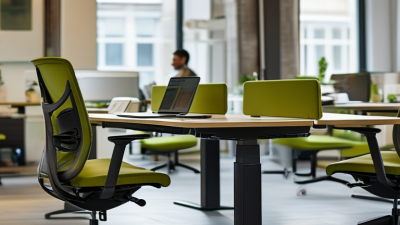
In 2026, global buyers are choosing desk armchairs by use, not appearance alone. Task armchairs suit long computer sessions, shared offices, and adjustable workstations. Conference armchairs provide softer support for shorter meetings. Compact swivel chairs help small rooms, apartments, and flexible work areas. Executive-style armchairs offer wider seats, but they may consume valuable floor space. Each type should support natural posture, stable movement, and easy cleaning.

User needs differ sharply across regions. Taller users may require deeper seats and higher backrests. Smaller users often need adjustable seat height and shorter seat depth. In hot or humid climates, breathable mesh and moisture-resistant upholstery can improve daily comfort. Colder offices may favor padded surfaces. Budget buyers should prioritize adjustment points, frame strength, and replaceable parts before decorative stitching. A low price is not always economical. A premium chair can also disappoint if its proportions are wrong.

Tips: Measure the desk, doorway, and user’s seated height before ordering. Test armrest clearance under the desktop. Check local safety requirements and warranty terms. Request material samples when colors may vary between screens and products. Practical trials often reveal problems that photographs hide. A beautiful armchair may still feel stiff after two hours. That is worth admitting. Also, regional preferences are not fixed; climate, office culture, and budget can change the best choice.

Evaluating Safety, Sustainability, Durability, and Global Buying Standards

For global buyers, the strongest desk armchair types are ergonomic task chairs, breathable mesh chairs, and adjustable upholstered models. Each type needs different evidence. ANSI/BIFMA X5.1 testing examines stability, durability, and load performance for office seating. EN 1335 also evaluates dimensions, strength, and safety for office work chairs. These standards matter more than attractive product photographs.

Adjustable task chairs suit long working sessions because seat height, lumbar support, and armrests can match different users. Mesh backs improve airflow in warm climates, but cheap mesh may lose tension quickly. Upholstered chairs feel warmer and more residential, yet fabric can retain dust and moisture. I would request cycle-test results, replacement-part availability, and clear weight ratings before approving bulk orders. Small details matter. A loose armrest becomes a daily safety problem.

Sustainability requires more than recycled plastic claims. The Global E-waste Monitor 2024 reports 62 million tonnes of electronic waste generated in 2022, with only 22.3% formally collected and recycled. Desk chairs are not electronic waste, but this figure shows the broader cost of poor product recovery systems. Buyers should prefer repairable frames, detachable covers, recyclable materials, and packaging with less mixed material. Life-cycle assessment data can strengthen claims, although it is not always comparable across suppliers. That weakness deserves attention. A durable chair may create lower replacement demand, but only when users can maintain it for many years.