7 Best Sunnykinte Umbrella Manufacturers for Global Buyers
The umbrella industry is becoming more competitive, practical, and design-led. Grand View Research estimated the global umbrella market at about USD 7.1 billion in 2023, with continued growth expected through 2030. IMARC Group also reported a multibillion-dollar market, although its forecast differs slightly. That difference matters. Market numbers depend on product scope, regions, and research methods.
For global buyers, selecting a reliable Sunnykinte umbrella manufacturer requires more than comparing quoted prices. A supplier should demonstrate stable factory capacity, documented quality controls, and experience with export packaging. Buyers should also examine fabric density, frame strength, handle durability, and canopy performance under wind and ultraviolet exposure. These details become visible during real use, such as a canopy turning inside out beside a busy train station.
This article presents seven manufacturers for closer evaluation. Each option should be assessed against order flexibility, private-label support, sample accuracy, inspection procedures, and delivery consistency. Certifications can help, but they do not replace independent product testing. The International Organization for Standardization emphasizes consistent quality systems through ISO 9001, yet certification alone cannot guarantee a durable umbrella.
Some supplier information may change over time. That is an important limitation. Factory capabilities, material sources, and compliance documents require direct verification before contracting. The strongest manufacturers usually communicate clearly about minimum order quantities, testing records, and corrective actions. That transparency often reveals more than polished catalog images.
For buyers serving retail, hospitality, promotional, or outdoor markets, the following shortlist offers a practical starting point. It is not a substitute for samples, audits, or commercial due diligence.
What Makes a Sunnykinte Umbrella Manufacturer Stand Out
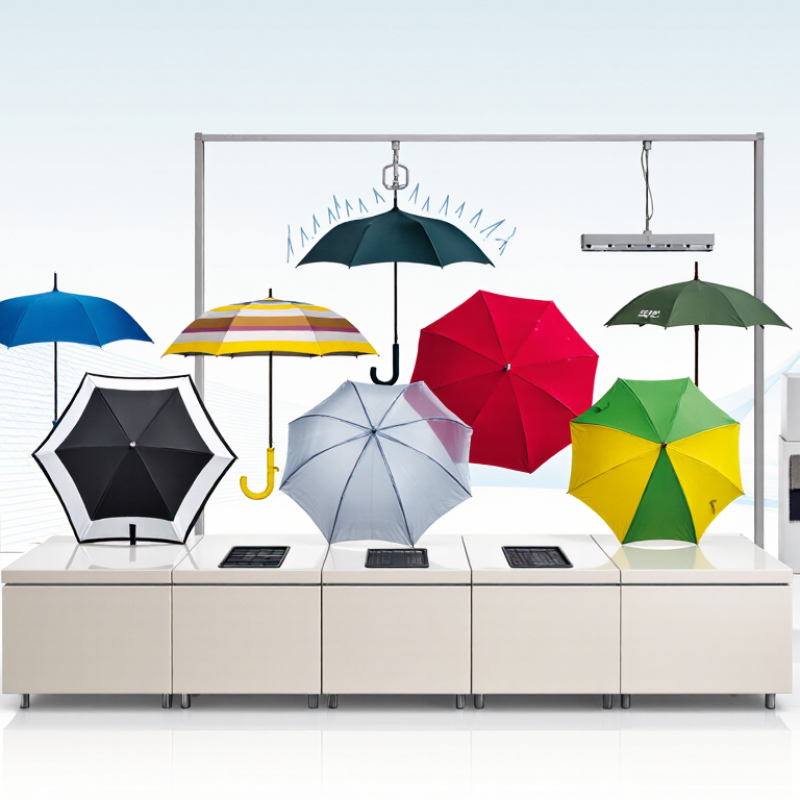
A standout Sunnykinte umbrella manufacturer proves performance before making promises. The strongest suppliers show laboratory results for water resistance, frame fatigue, wind stability, and colorfastness. ISO 811:2018 provides a useful benchmark for rainwear water resistance, although it does not cover every umbrella component. Buyers should request factory inspection records, production samples, and corrective-action reports. Experience matters here. A beautiful sample can hide weak ribs or uneven stitching.
Market discipline matters too. Mordor Intelligence estimates the global umbrella market at about USD 6.46 billion in 2024, with continued growth through 2029. That growth increases supplier choices, but also increases inconsistency. A reliable manufacturer controls fabric coating, shaft alignment, and opening tests across production batches. Intertek and SGS testing services can support independent verification. Still, one report cannot replace regular inspections. I have seen quality drift appear after a successful first order.
Tips: Ask for three production samples, not one. Check canopy tension under water. Open and close each sample at least 30 times. Request material composition and packaging specifications. Confirm whether recycled polyester claims include transaction certificates. The Textile Exchange Materials Market Report 2024 shows recycled polyester remains widely used, but certified content and actual sourcing are not always identical. That gap deserves careful questioning. A strong manufacturer answers clearly, shares evidence, and accepts reasonable re-testing.
7 Best Sunnykinte Umbrella Manufacturers for Global Buyers - What Makes a Sunnykinte Umbrella Manufacturer Stand Out
| Capability Profile | Primary Product Focus | Typical Canopy Sizes | Common Fabric Options | Frame and Shaft Construction | Wind-Resistance Approach | Sun-Protection Features | Customization Capability | Typical Export-Order MOQ | Useful Buyer Verification Points |
|---|---|---|---|---|---|---|---|---|---|
| Profile 1 | High-performance golf and large outdoor umbrellas | 62–68 inches for golf models; 10–13 feet for outdoor models | 190T–210T polyester, pongee, or solution-dyed polyester | Fiberglass ribs with fiberglass or steel shaft; reinforced joints | Double-canopy construction, flexible ribs, and vented panels | UPF 50+ options | Custom panels, handles, sleeve, labels, packaging, and artwork | 500–1,000 pieces per design | Request laboratory UPF results, wind-test conditions, fabric composition, and pre-production samples |
| Profile 2 | Automatic open and compact folding umbrellas | 21–24 inches when open; 6–8 ribs are common | 190T polyester or pongee with water-repellent coating | Aluminum or steel shaft with fiberglass or steel ribs | Vented or flexible-rib options for improved stability | UPF 30–50+ options | Digital printing, screen printing, woven labels, and retail packaging | 300–800 pieces per color or design | Check automatic mechanism cycle testing, opening force, coating performance, and carton protection |
| Profile 3 | Recycled-material and sustainability-oriented umbrellas | 21–27 inches for folding models; 46–60 inches for straight models | Recycled PET polyester, recycled pongee, and water-based coating options | Recycled or fiberglass components where available; steel and aluminum alternatives | Flexible fiberglass ribs and reinforced stretchers | UPF 30–50+ options | Recycled hangtags, FSC paper packaging, low-plastic packaging, and custom colors | 500–1,500 pieces per design | Verify recycled-content documentation, chain-of-custody records, coating chemistry, and packaging claims |
| Profile 4 | Promotional, hospitality, and corporate-logo umbrellas | 23–27 inches for personal use; 46–60 inches for executive styles | Polyester, pongee, and recycled polyester | Steel, aluminum, fiberglass, or mixed-material assemblies | Standard windproof ribs, vented canopy, and reinforced tips | UPF labeling available | Color matching, logo placement, hangtags, barcode labels, and customized gift boxes | 100–500 pieces per artwork | Confirm color tolerances, print durability, artwork approval procedure, and individual packing requirements |
| Profile 5 | Ultra-compact, lightweight, and carry-on-friendly umbrellas | 19–23 inches when open; approximately 15–30 cm when folded | 190T polyester or lightweight pongee | Aluminum shaft with fiberglass or aluminum ribs | Flexible ribs and manual opening to reduce mechanical failure points | UPF 30–50+ options | Custom pouch, wrist strap, case color, logo, and travel packaging | 500–1,000 pieces per color | Check folded dimensions, packed weight, corrosion resistance, pouch fit, and repeated opening tests |
| Profile 6 | Storm, golf, and professional-use umbrellas | 60–68 inches for golf and storm models | 210T polyester, pongee, or high-density polyester | Fiberglass shaft and ribs with double reinforcement at stress points | Double canopy, wind vents, flexible ribs, and reinforced runner | UPF 50+ options | Custom canopy panels, ergonomic handles, sleeve, and protective packaging | 300–800 pieces per model | Ask for measured wind-test data, rib-recovery results, handle pull tests, and corrosion testing |
| Profile 7 | Standard straight, folding, and promotional umbrellas | 21–27 inches for folding models; 46–58 inches for straight models | 170T–190T polyester and standard pongee | Steel shaft with steel or fiberglass ribs | Basic windproof structure and reinforced tips on selected models | Coated fabric options | Basic logo printing, color selection, sleeve, and standard carton packaging | 1,000–3,000 pieces per design | Confirm actual material thickness, colorfastness, defect tolerance, inspection method, and replacement policy |
The figures shown are practical industry specification ranges for anonymous manufacturer capability profiles. Buyers should verify final materials, test results, certifications, production lead time, and order terms before purchase.