What is a Bamboo Bottle and Why Choose It for Sustainability?
The rising concern for environmental sustainability has led to innovative solutions like the Bamboo bottle. As plastic waste continues to dominate landfills, reports indicate that over 300 million tons of plastic are produced globally each year. This alarming figure calls for alternatives that minimize our ecological footprint. Bamboo bottles stand out as eco-friendly products made from renewable resources. They offer a sustainable choice by reducing reliance on single-use plastics.
Data from the World Economic Forum highlights that if current trends persist, there could be more plastic than fish in the oceans by 2050. Bamboo bottles not only combat this issue but also promote a circular economy. They are biodegradable and can decompose naturally over time, unlike their plastic counterparts. Additionally, bamboo's rapid growth rate makes it a highly renewable resource, with some species growing up to 91 cm in a single day.
Despite their benefits, it's worth reflecting on the potential challenges bamboo bottles may present. For instance, their durability may vary across brands, and not all bamboo products are created equal. Consumers should consider certifications and sourcing practices when choosing bamboo bottles to ensure they are making responsible choices. Ultimately, the shift towards bamboo bottles represents a crucial step toward a cleaner planet.
Definition of a Bamboo Bottle and Its Composition
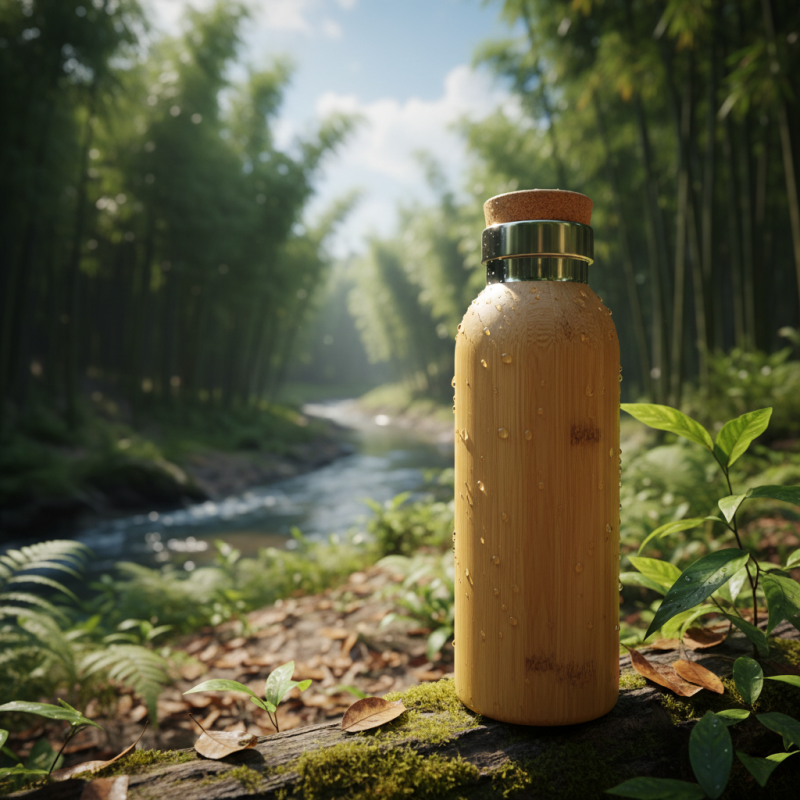
Bamboo bottles represent an innovative approach to sustainable living. Made primarily from natural bamboo, these bottles often feature a stainless steel core. The combination makes them both eco-friendly and functional. Bamboo grows rapidly, requiring little water. This makes it a renewable resource with a lower carbon footprint than plastic.
Industry reports indicate that plastic waste contributes to over 300 million tons in landfill annually. Many consumers are looking for alternatives that mitigate this crisis. Bamboo bottles are biodegradable, unlike their plastic counterparts, which take centuries to decompose. This unique composition not only addresses environmental concerns but also provides a stylish and durable drinkware option.
The bamboo itself offers natural antibacterial properties. This can enhance personal hygiene while using bottles for hydration. However, some may question the durability of bamboo in harsh conditions. Over time, bamboo can wear down or splinter, raising considerations for long-term use. Evaluating these factors is crucial for consumers committed to sustainability while balancing practicality.
Benefits of Using Bamboo Bottles for the Environment
Bamboo bottles offer numerous benefits for the environment. Firstly, they are biodegradable. Unlike plastic, bamboo decomposes naturally over time. This characteristic reduces waste in landfills and oceans. Additionally, bamboo is a fast-growing plant, making it a sustainable resource. Using it for bottles minimizes reliance on fossil fuels and non-renewable materials.
Choosing bamboo bottles can also lower your carbon footprint. Bamboo absorbs carbon dioxide during its growth. This absorption helps combat climate change. Furthermore, many bamboo bottles are designed to be reusable, contributing to a decrease in single-use plastics. This shift is critical as plastic waste poses severe threats to wildlife and ecosystems.
Tips for Transitioning to Bamboo Bottles: Start by replacing plastic bottles with bamboo ones at home. Encourage friends and family to make similar choices. Look for local markets or online shops that sell bamboo products. Educating others makes a bigger impact. Reflect on your habits. Small changes in daily life can lead to meaningful environmental benefits. Embrace this sustainable choice today!
Comparing Bamboo Bottles to Traditional Plastic Bottles
Bamboo bottles offer a strong alternative to traditional plastic options. The global plastic crisis is alarming. According to the World Economic Forum, there will be more plastic in the ocean than fish by 2050. Plastic bottles contribute heavily to this problem. Switching to sustainable materials is vital for our environment.
Bamboo bottles are made from renewable resources. Bamboo grows quickly and needs little water. This makes it a sustainable choice, unlike plastic. The International Journal of Environmental Research highlights that bamboo can sequester carbon effectively. For every ton of bamboo harvested, two tons of CO2 can be eliminated from the atmosphere. This benefit aligns well with the growing demand for eco-friendly products.
While bamboo bottles are more sustainable, challenges exist. They may not be as durable as plastic. They can break if dropped. Also, price points can be higher. Consumers should weigh these factors carefully. Although bamboo offers benefits, it's important to reflect on personal needs and lifestyle before making a switch.
How to Choose the Right Bamboo Bottle for Your Needs
When choosing a bamboo bottle, consider your specific needs. The size matters. Standard options include 500ml or larger models. Think about how much water you drink daily. A compact option is perfect for exercise or travel. Larger sizes suit those who prioritize hydration.
Also, check the design. Bamboo bottles can vary in shape and style. Some feature a stainless steel interior. Others are entirely bamboo. Each design impacts insulation. A double-walled model keeps beverages cold longer. Meanwhile, a lightweight option is great for hiking.
Finally, evaluate the cap. Some bottles include a screw lid, others a flip top. Ensure the closure is secure. A reliable bottle minimizes leaks. Lastly, consider the maintenance required. Bamboo needs care to stay in good condition. Clean it regularly, as this longevity matters.
What is a Bamboo Bottle and Why Choose It for Sustainability?
| Feature | Bamboo Bottle | Plastic Bottle |
| Material | Natural bamboo and stainless steel | Plastic (typically PET) |
| Sustainability | Biodegradable and renewable | Non-biodegradable, contributes to plastic waste |
| Durability | Long-lasting with proper care | Can crack and degrade over time |
| Insulation | Good thermal insulation | Limited insulation capabilities |
| Taste | No plastic taste | May impart plastic taste |
| Price Range | $15 - $30 | $1 - $10 |
| Health Benefits | Free from harmful chemicals | May leach chemicals |
| Unique Features | Eco-friendly design, reusable | Lightweight, diverse designs |
Tips for Maintaining and Caring for Your Bamboo Bottle
Caring for your bamboo bottle is essential for its longevity and performance. Regular cleaning is key. Use mild soap and warm water, avoiding harsh chemicals. A gentle sponge or cloth can help remove stubborn stains without damaging the bamboo. After washing, let it air dry completely. This prevents mold and keeps the material fresh.
Also, be mindful of how you store your bottle. Avoid leaving it in direct sunlight or extreme temperatures. These conditions can warp the bamboo. Instead, store it in a cool, dry place. If you notice the bamboo becoming dry, consider applying a food-grade mineral oil. This will help maintain its natural sheen and protect it from moisture.
Remember, bamboo is a natural material. It may show wear over time. That's normal. Embrace its imperfections as part of its character. Regular maintenance will enhance your bamboo bottle experience. It's a commitment to sustainability that can benefit both you and the environment.