10 Best Light Down Sleeping Bags for 2026?
Choosing a Light Down Sleeping Bag is a trade-off between warmth, packed size, weight, and price. That trade-off matters on long approaches, where every ounce in a pack competes with food, water, and a dry layer. Down insulation compresses efficiently, but performance depends on more than the fill-power number printed on a product page. Construction, fill weight, fit, and moisture protection all affect how a bag performs outdoors.
The Outdoor Industry Association’s 2024 Outdoor Participation Trends Report estimated that 175.8 million Americans took part in outdoor recreation in 2023. More people spending time outside makes reliable gear guidance useful, but participation figures do not tell us which sleeping bag suits a particular trip. For temperature ratings, shoppers can also consult EN ISO 23537-1:2022, a standard covering requirements and testing for adult sleeping bags. Ratings are useful reference points, not personal guarantees. A sleeping pad, dry sleepwear, and individual cold sensitivity can change the experience.
This guide compares 10 lightweight down options for 2026, focusing on warmth-to-weight value, packed volume, materials, and practical design details. We’ll look closely at features such as draft collars, hood adjustment, and zipper placement—the small things you notice at 2 a.m. Not every detail is equally important. A beautifully low weight may come with a higher cost or less room to move, and that deserves honest scrutiny. No bag is magic. Use the comparisons as a starting point, then match the specifications to your climate, sleep habits, and route.
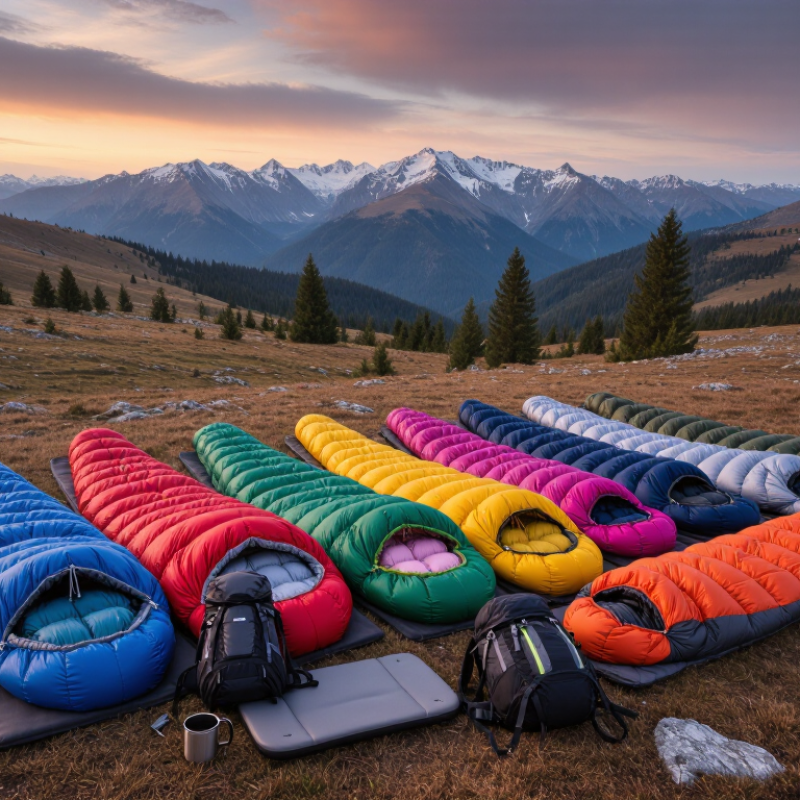
What Makes a Down Sleeping Bag Lightweight?
A lightweight down sleeping bag is not defined by fill power alone. Fill power describes how much space a given weight of down occupies. Higher numbers can provide more loft with less filling, but total fill weight still matters. A bag with lofty down may feel chilly if it contains too little insulation for its temperature rating. Check the rating and the conditions it assumes. Wind, damp air, and a thin sleeping pad can change how warm you feel. Every gram matters.
The shell fabric, zippers, and cut also affect packed weight. Thin fabric and a simple zipper can save ounces, while a closer-fitting shape reduces empty space. But an extremely narrow bag may restrict movement, and saving weight is less useful if you sleep poorly. Not by itself. I still find temperature ratings easy to overread; they are guides, not guarantees for every sleeper. Compare the bag’s weight with its insulation, fit, and intended conditions. Down compresses small and lofts well, but moisture can reduce its insulating performance, so consider how you will keep it dry on the trip.
What Makes a Down Sleeping Bag Lightweight?
Fill power measures how many cubic inches one ounce of down can occupy under a standardized test. Higher fill power can provide the same loft with less down weight, although a sleeping bag’s total weight also depends on its temperature rating, design, shell fabric, and other materials.
How Do Temperature Ratings, Fill Power, and Weight Compare?
Temperature ratings help compare light down sleeping bags, but they are not promises of comfort. Check whether a listed figure describes comfort or a lower limit; those numbers mean different things. A bag rated near 20°F may feel chilly to someone who sleeps cold, especially on a thin pad. Cold ground matters.
Fill power describes how much space one ounce of down occupies. Higher fill power can provide more loft with less down, often reducing packed weight. Yet it does not tell the whole warmth story. Baffle design, fit, draft collars, and shell fabric also affect heat retention. A roomy bag may feel colder if warm air escapes around your shoulders.
Weight comparisons work best when you compare similar temperature ratings and bag shapes. A lighter bag may use less insulation or a thinner shell, while a heavier one may add useful weather protection. Look at packed size too: a bag that compresses neatly can leave more room beside your stove and spare socks. Small details count. Your sleeping pad and clothing change the result, so treat specifications as a starting point. I still find ratings imperfect; personal comfort is harder to measure than ounces.
Which 10 Light Down Sleeping Bags Stand Out in 2026?
Which 10 light down sleeping bags stand out in 2026? The strongest choices balance packed weight, warmth, fit, and durability—not just a high fill-power figure. Fill power measures down’s loft, while total down weight helps indicate how much insulation is actually inside. Compare both. Also check the temperature rating and its testing basis; EN/ISO 23537 provides a standardized method for rating adult sleeping bags. A lower number on a label is not a guarantee of comfort for every sleeper. Cold shoulders matter.
Tips: Match the bag to expected nighttime lows, then leave a safety margin if you sleep cold. Check the packed dimensions against your actual pack. A tiny sack is useful, but compression should not be the bag’s long-term storage method.
The Outdoor Industry Association’s 2024 Outdoor Participation Trends Report counted 175.8 million U.S. participants in outdoor recreation during 2023. That broad figure does not predict demand for any particular sleeping bag, but it highlights how many people may be comparing gear for overnight trips.
For a useful ten-bag shortlist, compare weight at the same temperature rating, zipper design, hood coverage, and cut. Roomier shapes feel less restrictive; narrower ones can reduce excess space to warm. Then consider shell fabric and repair options. Ratings still leave some uncertainty. Layering, fatigue, and damp conditions can change how warm a bag feels in the field.
How Should You Choose a Bag for Your Trips and Budget?
Choosing a light down sleeping bag starts with the coldest night you expect, not the warmest afternoon. The 2024 Outdoor Industry Association Outdoor Participation Trends Report estimates that 175.8 million Americans took part in outdoor recreation during 2023. That variety matters: a humid campsite, a windy ridge, and a chilly shoulder-season trail demand different warmth and weather protection. Match the bag’s comfort rating to your likely overnight low, then leave a small safety margin. A lower-priced bag may suit mild summer trips, but frequent cold-weather use can make extra warmth worth the cost.
Compare temperature ratings only when they use a consistent test method. ISO 23537 specifies laboratory testing for sleeping-bag thermal performance and provides comfort and limit ratings. Check which rating applies to you, and read the care instructions: damp down can lose loft, while careful drying helps restore it. Also compare packed size, weight, hood design, and fit. A bag that feels cramped can be miserable, even when its rating looks ideal. Budget decisions are rarely perfect; forecast errors happen.
Tips: Try the bag with your usual sleep layers, and check whether your shoulders and feet have room to move. Use a ground pad, since insulation beneath you affects warmth. For uncertain weather, prioritize a warmer rating over a few saved ounces.
How Can You Care for and Store a Down Sleeping Bag?
After a trip, air your down sleeping bag fully before packing it away. Open the zip and hang it in a dry, shaded place; direct sun can damage the shell fabric. Brush off grit and spot-clean dirty areas with a damp cloth. Wash only when needed, following the care label and using a down-specific detergent. Skip fabric softener. A front-loading washer is usually gentler than an agitator-style machine, but check the manufacturer’s instructions first. Rinse thoroughly, then tumble-dry on low with clean dryer balls. Stop and check often. Damp clumps can hide inside, so drying may take longer than expected.
Store the bag dry and loose in a large breathable sack, not its tight stuff sack. Keep it away from damp basements, sharp hooks, and heavy gear. The International Down and Feather Bureau’s fill-power testing expresses loft in cubic inches per ounce; an 800 rating means 800 cubic inches per ounce under test conditions. That measurement helps explain why preserving loft matters, though it is not a direct warmth rating. There is no perfect washing schedule: sweat, dirt, and trip frequency all matter. It is tempting to wash after every outing, but unnecessary washing adds wear. Check the seams and fabric before storage, too. Small repairs are easier before the next cold night.