Best Table Feet Solutions for Your Home and Office Needs?
When considering the best solutions for table feet in both home and office environments, expert Thomas Harrington, a renowned furniture designer, emphasizes, “The right table feet can transform heavy furniture into an elegant centerpiece.” Table feet play a crucial role in stability and aesthetics. The right choice can enhance the overall design of any space, while the wrong choice can lead to dissatisfaction.
Many people overlook the impact of table feet. They focus solely on the table’s surface and shape. However, table feet are vital for balance and protection of flooring. The material and style of table feet can significantly affect the durability and functionality of tables. Poorly chosen table feet can cause scratches on wooden floors or instability in office desks.
It is essential to reflect on the types of table feet available. Options range from traditional wooden designs to modern adjustable mechanisms. Each choice comes with its own set of pros and cons. Assessing your specific needs is necessary. Whether for a home, office, or creative space, table feet should not be an afterthought.
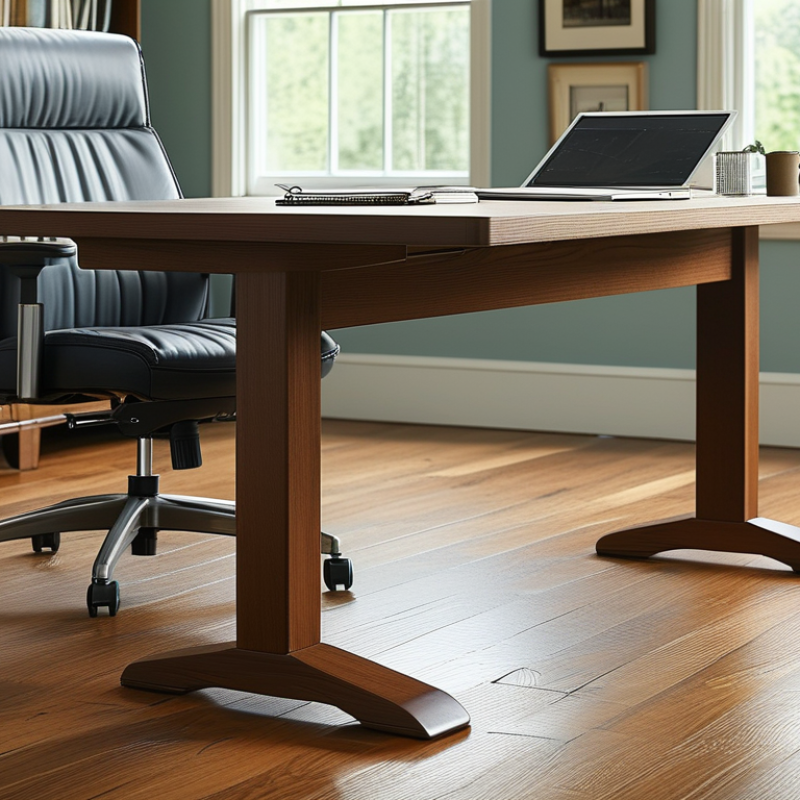
Types of Table Feet: A Comprehensive Overview for Home and Office
Table feet come in various styles, each offering unique benefits for home and office use. Understanding these types is crucial when selecting the right one. Standard rubber feet provide basic stability and protection for hardwood floors. Metal legs, on the other hand, add a modern aesthetic. They often come with adjustable heights. This feature helps to create balance on uneven surfaces.
Adjustable feet can be a game changer. They allow users to fine-tune the height of their tables. This is particularly useful in workspaces where different individuals may have varying needs. Caster wheels enhance mobility, making it easy to reposition tables as required. However, they may not provide the same stability as fixed legs.
Another option is folding table feet. These are beneficial for space-saving. They allow for easy storage when not in use. However, they might compromise sturdiness during heavy use. It's essential to consider how frequently the table will be moved or adjusted. Each type of table foot contributes differently to the environment. Reflecting on your specific needs will help in making a well-informed choice.
Best Table Feet Solutions for Your Home and Office Needs
| Type of Table Feet | Material | Height Adjustment | Stability Rating | Ideal Use |
| Leveling Feet | Plastic/Metal | Yes | High | All types of tables |
| Rubber Feet | Rubber | No | Medium | Protecting floors |
| Caster Wheels | Plastic/Metal | No | Medium | Mobile tables |
| Leveling Glides | Metal | Yes | High | Uneven surfaces |
| Wooden Feet | Wood | No | Low | Fixed tables |
Material Choices for Table Feet: Wood, Metal, Plastic, and More
When selecting table feet, material choice is critical. Wood, metal, plastic, and composite options each offer unique benefits. According to industry reports, around 40% of consumers prefer wooden table legs for dining rooms. This preference stems from the aesthetic appeal and natural warmth wood brings to interiors. Oak and walnut are popular choices, valued for their durability and style.
Metal table feet are another strong contender. They provide modern appeal and exceptional strength. Recent studies show that metal legs can support up to 20% more weight than wood in similar designs. This makes them ideal for office environments or heavy-use tables. However, metal legs may scratch floors if they lack protective pads.
Plastic table feet are often seen as less desirable but hold hidden advantages. Lightweight and resistant to moisture, they appeal in casual settings. Busy households or offices frequently lean toward plastic for practicality and ease of maintenance. Yet, plastic can crack under stress, making careful selection vital. This variety highlights the importance of considering both function and style.
Adjustable Table Feet: Benefits and Applications in Various Settings
Adjustable table feet offer a practical solution for various settings, combining functionality with convenience. These systems allow easy height adjustments, which accommodate different user needs. Whether in a home office or a conference room, adjustable feet enhance ergonomics. They promote optimal posture and reduce discomfort during long hours of work.
The installation of adjustable table feet can transform any workspace. A dining table can become more accessible for children or elderly family members. Likewise, in professional environments, tables can adapt to diverse meetings and presentations. The possibility to stabilize uneven surfaces is another significant advantage. However, not all adjustable feet systems are equally reliable. Users must consider the weight limits and material quality to ensure safety and longevity.
While adjustable feet provide numerous benefits, they are not a one-size-fits-all solution. Some users may find adjustments cumbersome or complex. Others might question their aesthetic appeal. These factors highlight the importance of aligning table choice with personal and functional preferences. By prioritizing both usability and style, individuals can better meet their specific requirements for home and office settings.
Choosing the Right Height and Style for Your Table Feet Needs
When selecting table feet for your home or office, height and style play significant roles. The table's purpose dictates its required height. For dining tables, a standard height of 28 to 30 inches is ideal. In contrast, a desk may serve better at a height of 25 to 30 inches, depending on the chair used. This is crucial for maintaining comfort during long hours of work.
Style is equally important. Modern rooms often benefit from sleek, minimalist table legs, while rustic settings call for chunky, wooden feet. Consider the overall decor when making your choice. Mixing styles can lead to a disjointed look, so cohesion is vital. However, experimenting with unique designs might yield interesting results.
Materials also affect both aesthetics and functionality. Metal legs can provide a sturdy feel, while wooden options offer warmth. Reflecting on durability is important, particularly if the table will see heavy use. Remember, the right table feet are not solely about looks; they must support your lifestyle and meet your needs every day.
Installation Tips and Maintenance for Longevity of Table Feet Solutions
When selecting table feet solutions, installation and maintenance are crucial for longevity. Start by ensuring that the table surface is stable before affixing any feet. Uneven surfaces can lead to wobbling. Use a spirit level to achieve balance. It is also wise to check for compatibility with your table’s structure.
Regular maintenance boosts durability. Periodically inspect the table legs for signs of wear or damage. Tightening screws can prevent them from loosening over time. For wooden feet, applying a protective sealant every few months can help prevent moisture damage. If your table feet are made from metal, wipe them with a damp cloth to remove dust and dirt.
Keep in mind the environment where the table is placed. Humidity and temperature fluctuations can negatively affect table feet. It’s essential to reflect on the needs of your space. Choosing the right materials based on your environment can enhance durability and aesthetics, making your setup both practical and visually appealing.