Best Wood Desk Chair Designs for Productivity and Comfort?
In today’s fast-paced world, a comfortable workspace is essential for productivity. The Wood Desk Chair stands out as a key component of an effective office setup. This chair combines style with functionality, creating an inviting atmosphere for work.
Choosing the right Wood Desk Chair can significantly impact your daily tasks. The natural materials offer durability while adding warmth to your space. However, not every design suits every individual. It's important to reflect on personal comfort needs and aesthetic preferences.
Consider ergonomic features. A well-designed Wood Desk Chair should support your posture. Look for models that encourage movement and flexibility. While many options exist, the right fit ultimately enhances your focus and efficiency. Balancing comfort and productivity is crucial for success in any environment.
Unique Features of Wood Desk Chairs for Enhanced Comfort
Wood desk chairs blend comfort and style, making them popular for workspaces. The natural material promotes a warm and inviting atmosphere. Ergonomically designed options provide support, helping you maintain good posture during long hours. A contoured seat distributes weight evenly, reducing pressure points.
Many wood desk chairs incorporate unique features. Adjustable height mechanisms cater to individual preferences. Some designs include lumbar support to enhance spine alignment. A padded seat can increase comfort during extended use. However, not every wood chair offers these adjustments, so careful selection is key.
The aesthetics of wood also matter. Grain patterns and finishes can tie a room together. The right chair can inspire creativity. Still, finding the ideal balance between style and comfort may require experimentation. Consider your needs carefully as you make a choice.
Best Wood Desk Chair Designs for Productivity and Comfort
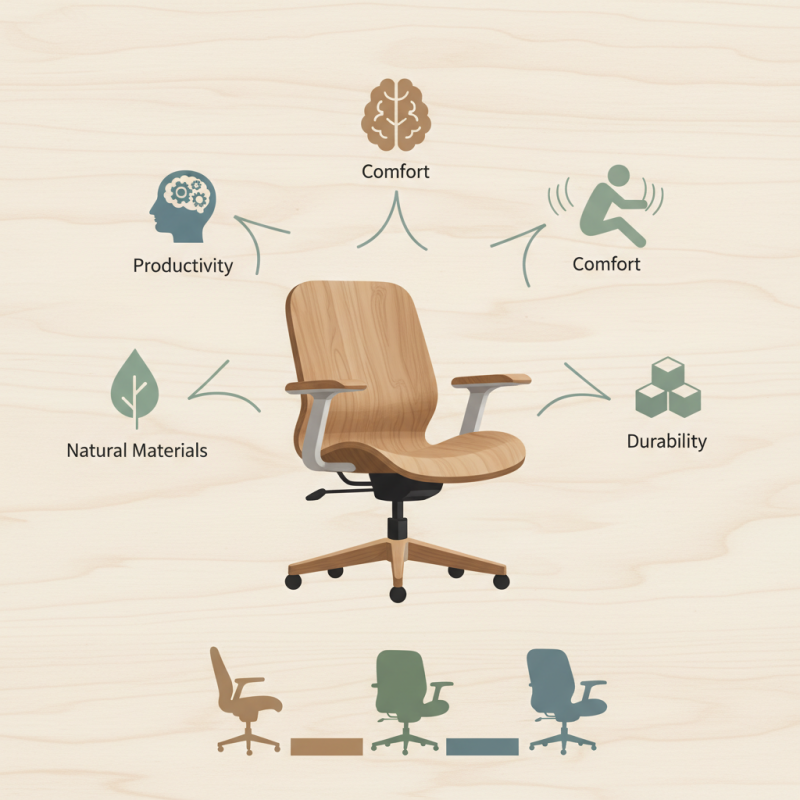
This chart illustrates the unique features of wood desk chairs evaluated for their comfort and productivity benefits. It includes dimensions such as ergonomics, material quality, adjustability, and style appeal, rating each feature on a scale from 1 to 10.
Ergonomic Design Principles in Wood Desk Chair Selection
When selecting a wood desk chair, ergonomic design principles play a crucial role in enhancing productivity and comfort. According to a report by the Occupational Safety and Health Administration (OSHA), an ergonomic workspace can reduce discomfort by up to 50%. This is essential for professionals who spend long hours at their desks. A chair that supports the natural curve of the spine can significantly lower the risk of back pain.
Key features to consider include adjustable seat height and lumbar support. These elements can prevent strain and promote good posture. A chair with a seat width of at least 18 inches allows for comfortable movement. Moreover, armrests can reduce the strain on shoulders when positioned correctly. However, choosing a chair that feels comfortable may sometimes lead to oversights. For example, users might prefer softer cushions but may sacrifice back support.
The materials used in wood desk chairs also influence their ergonomic efficiency. Hardwoods like oak provide necessary stability but may lack flexibility. In contrast, cushioned seating can improve comfort but might lead to improper posture over time. It’s essential to strike a balance between aesthetic appeal and functional design. Each choice should align with the individual’s body mechanics and work habits. Ergonomics is not just about comfort; it’s about performance.
Styles and Aesthetics of Wood Desk Chairs to Fit Your Workspace
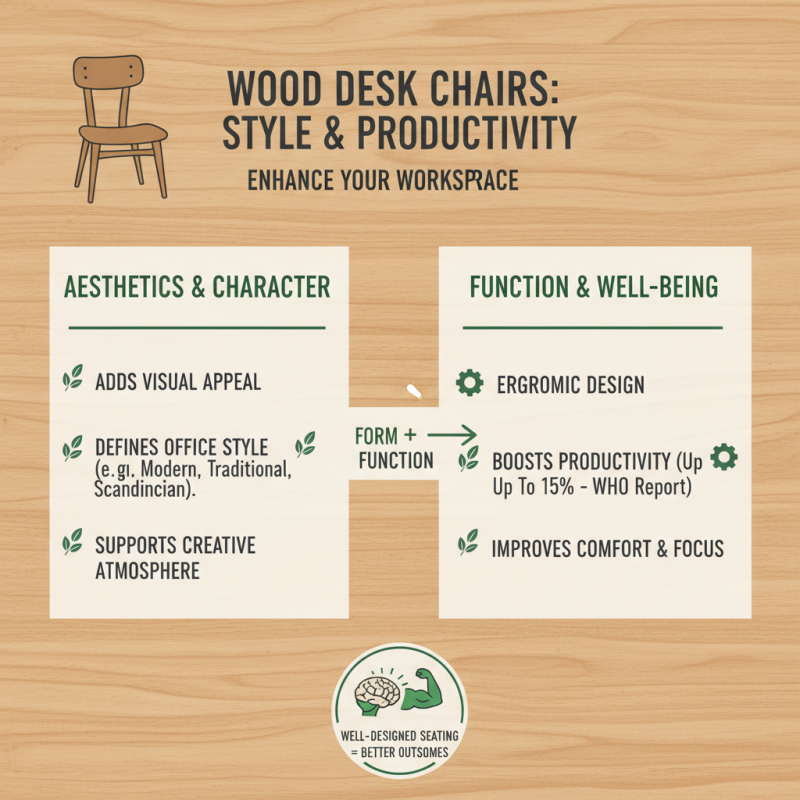
When selecting a wood desk chair, the style and aesthetics play a crucial role in the workspace. A well-designed chair not only enhances productivity but also adds character to your office. According to a recent report by the World Health Organization, ergonomic seating can improve overall productivity by up to 15%. This highlights the need for a chair that combines both form and function.
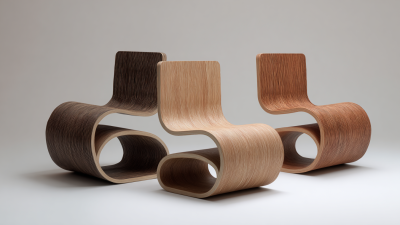
Consider options like mid-century modern with clean lines or rustic designs that evoke warmth. These choices can set a specific mood in your workspace. Additionally, a pop of color or unique texture can make a desk chair stand out. Remember, the chair should complement your desk and not overwhelm the space.
Tips for selecting the right chair include trying it out first. Testing its comfort ensures it meets your needs. Pay attention to the height and adjustability. A chair that can easily be modified can make a significant difference over long hours. Also, consider investing in materials that match your aesthetic. This can enhance both comfort and visual appeal, encouraging longer periods of focus during work.
Comparative Analysis of Different Wood Types for Desk Chairs
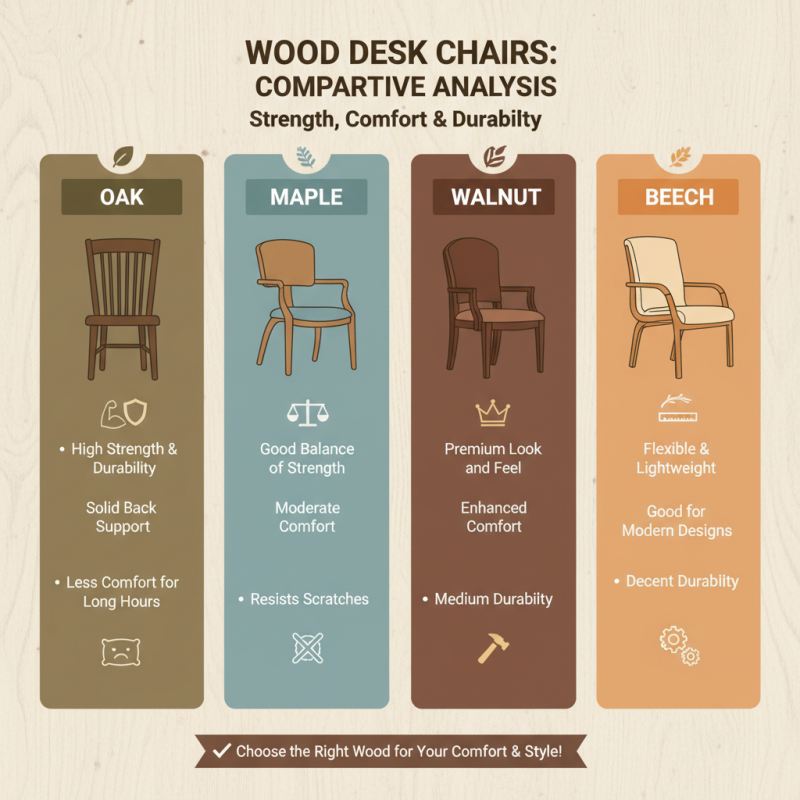
When choosing a wood desk chair, the type of wood matters significantly. Different woods offer varying levels of comfort and durability. For instance, oak is known for its strength. It can support heavy use while providing solid back support. However, it may not be the most comfortable option for extended hours of work.
Maple, on the other hand, is lighter and has a smooth finish. It lends a modern look to any workspace. Its subtle grain patterns add character. Yet, it may lack the sturdiness required for heavy workloads. Some users find that certain types of maple chairs can wear out faster than expected.
Teak is another popular choice. It's incredibly durable and resistant to moisture. This makes it a suitable option for humid environments. However, it can be quite pricey. Many people hesitate to invest in a teak chair due to its cost. Additionally, maintenance may require special care to maintain its beauty. Each wood type has its pros and cons, so it's essential to weigh comfort against practicality.
Tips for Choosing the Right Wood Desk Chair for Your Needs
When selecting a wood desk chair, prioritize comfort. Ergonomic features are crucial for long hours of work. Look for supportive backs and adjustable heights to suit different body types. Consider the chair's cushioning as well, as it significantly impacts comfort. A chair that feels good encourages longer, more productive work sessions.
Material is another important factor. Solid wood provides durability and a timeless aesthetic. However, ensure the finish is smooth to avoid discomfort. Think about the style too; a chair should complement your workspace. It’s okay if it takes time to find the right fit, as this decision impacts your overall productivity.
Don’t overlook the chair's weight and mobility. A lighter chair can be easier to move, but ensure it maintains stability. Some might prefer a heavier chair that stays in place. Reflect on how often you’ll need to reposition the chair. Test different designs in-person to truly feel their differences. It's a personal journey finding the best fit for you.
Best Wood Desk Chair Designs for Productivity and Comfort
| Chair Design |
Material |
Ergonomics |
Price Range |
Customer Rating |
| Classic Wooden Chair |
Solid Oak |
High Back Support |
$150 - $250 |
4.5/5 |
| Contemporary Mesh-Back Chair |
Wood and Mesh |
Adjustable Lumbar Support |
$200 - $350 |
4.2/5 |
| Rustic Farmhouse Chair |
Reclaimed Wood |
Moderate Comfort |
$120 - $220 |
4.0/5 |
| Executive Leather-Wood Chair |
Wood Frame with Leather |
Full Ergonomic Design |
$300 - $500 |
4.8/5 |
| Modern Scandinavian Chair |
Bamboo |
Minimalist Support |
$140 - $240 |
4.3/5 |