China has become a major sourcing base for commercial seating, including stackable and space-saving furniture. This guide introduces China’s top 10 Nesting Chairs suppliers for global buyers. It focuses on practical purchasing evidence, not promotional claims.
Each supplier should be reviewed through product samples, factory communication, and documented quality procedures. Buyers can compare steel or aluminum frames, molded plastic shells, upholstery options, nesting efficiency, and surface finishes. A reliable chair should nest smoothly without scratching nearby frames. It should also remain stable on uneven conference-room floors. Load testing matters. So does long-term comfort. Small details often affect customer satisfaction.
The guide also considers production capacity, minimum order quantities, lead times, packaging, and export experience. Certifications may support a purchase decision, but buyers should verify their scope and validity independently. Clear drawings and written specifications can prevent costly misunderstandings. Ask about replacement parts, inspection stages, and warranty handling before placing an order. Good suppliers usually explain limitations instead of promising everything. That is a useful signal.
No ranking is perfect. Supplier performance can change with materials, seasons, and order size. A factory that performs well for hotel seating may not suit a school project. Global buyers should request recent samples and confirm shipping terms directly. Price alone is not enough. A lower quotation may hide weaker foam, thinner tubing, or less protective packaging. With careful comparison, this list can help buyers identify capable Chinese partners and build a more dependable Nesting Chairs supply chain. Feedback from real projects may still change the final choice.
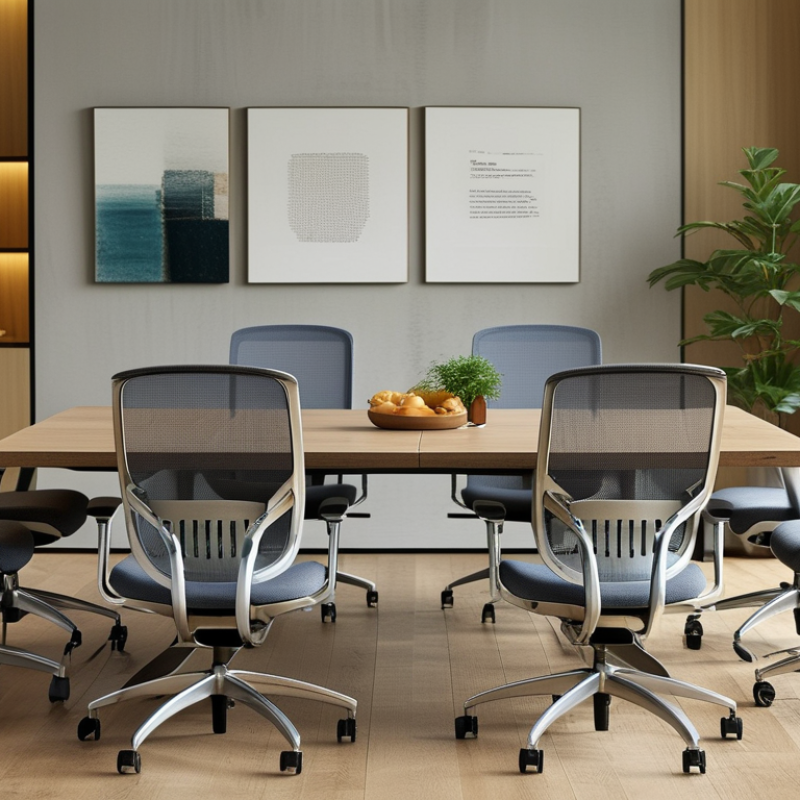
Nesting chairs are designed to slide together in a compact row. Their seat and backrest shapes create overlapping storage positions. Some models nest from the side, while others align front to back. This difference affects storage width, handling speed, and floor protection.
Their worldwide popularity comes from practical space management. A training room may hold many chairs during an event, then need open floor space later. Nesting chairs can move quickly with a transport cart. They also support flexible offices, classrooms, meeting halls, and community venues. Lightweight frames reduce lifting effort, while durable upholstery improves comfort during longer sessions. Yet comfort is not guaranteed by appearance alone. Seat depth, back support, and ventilation deserve close inspection.
Tips: Measure the storage doorway first. Confirm the nesting quantity, chair width, cart compatibility, and folded clearance. Ask suppliers for load-test results, material specifications, and replacement-part availability. Check whether the chair remains stable on uneven flooring. A polished showroom image can hide awkward movement. Request samples or detailed videos before placing a large order. One common planning mistake is choosing the highest nesting count without considering daily handling. A tighter stack may save space, but it can become difficult for one worker to separate. Think beyond the warehouse. The best choice balances storage, comfort, safety, maintenance, and real operating habits.
Choosing among China’s top ten nesting chair suppliers requires more than comparing catalog photos. A reliable evaluation begins with factory evidence, not polished claims. Ask for the business license, production address, material specifications, and recent inspection records. Verify whether the supplier manufactures frames, seats, and coatings in-house or outsources them. This distinction can affect consistency.
Request a production sample before placing a large order. Check weld joints, edge smoothness, seat alignment, and stacking stability by hand. Measure the actual nesting height, chair weight, and carton dimensions. A supplier may promise compact storage, yet the delivered chairs can occupy more space. Ask for load-test reports, coating details, packaging photos, and a clear replacement policy. Communication matters too. Slow or vague answers before payment may become worse during production. No checklist is perfect.
Tips: Compare at least three written quotations with identical specifications. Confirm steel thickness, foam density, fabric grade, color tolerance, and acceptable defect limits. Request a small trial order when possible. Inspect random cartons before shipment, especially corners and protective layers. Review delivery history through verifiable customer references, not anonymous testimonials. Avoid choosing only by price. My own evaluation would give more weight to repeatable quality than to a dramatic discount. A lower quote can become expensive after rework, delays, or damaged stock. Suppliers should also explain lead times honestly, including holidays, raw-material changes, and inspection schedules. Clear records build trust.
This procurement framework shows practical evaluation weights for comparing China-based nesting chair suppliers. Buyers should prioritize product quality and safety compliance, followed by production capacity, export experience, customization capability, lead-time reliability, and after-sales service. The percentages are evaluation guidelines rather than a ranking of individual companies.
China’s Top 10 Nesting Chair Suppliers for Global Buyers
China’s top 10 nesting chair suppliers serve offices, training rooms, schools, hotels, and event venues. Their strongest advantage is practical manufacturing experience. Many suppliers offer steel frames, molded seats, fabric upholstery, and tablet attachments. Buyers should request factory photos, material specifications, and recent product samples before comparing prices.
A reliable supplier explains seat density, frame thickness, caster quality, and folding clearance in clear language. Ask for loading tests and carton dimensions. These details affect warehouse space, shipping costs, and daily safety. Some factories support custom colors, logo-free packaging, and mixed container orders. Production audits can also confirm equipment, inspection routines, and worker conditions. However, a polished showroom proves little by itself.
During sample testing, place chairs on uneven flooring and nest them repeatedly. Check for scratches, loose screws, rocking frames, and difficult alignment. One sample may perform well while a larger batch shows variation. This is where careful communication matters. I would require a written inspection standard, although this step is easy to overlook. Delivery promises also need evidence, such as capacity records and approved production schedules. The best supplier is not always the cheapest; it is the one that consistently matches documented requirements.
China Top 10 Nesting Chairs Suppliers for Global Buyers
China’s leading nesting chair suppliers usually offer polypropylene, steel, aluminum, and plywood models. Common configurations include casters, tablet arms, linking clips, writing pads, and folding frames. Upholstered seats add comfort for training rooms, while breathable mesh backs suit longer meetings. The product range is broad. Sometimes, too broad.
Fortune Business Insights valued the global office furniture market at USD 63.91 billion in 2023. It forecasts USD 94.28 billion by 2032. This growth encourages suppliers to provide more flexible seating solutions. Buyers can request seat colors, powder-coat finishes, fabric grades, foam density, armrest shapes, and frame dimensions. Custom logos, laser marks, carton printing, and export packaging are also available. Some factories support OEM drawings and small pilot orders. Minimum order quantities vary considerably.
A reliable supplier should provide samples before mass production. Ask for load testing, cycle testing, material certificates, and inspection records. ANSI/BIFMA seating requirements and applicable ISO testing methods can help compare factories objectively. Nesting depth matters in real rooms. A chair that stacks neatly may still damage walls or trap fingers. I would also check caster noise, fabric cleaning, and carton strength. Catalog claims are not proof. Suppliers may promise custom colors, yet fail to match a physical swatch. Clear approval samples reduce this risk.
| Supplier Category | Primary Product Type | Typical Frame and Seat Materials | Nesting Capacity | Common Chair Dimensions | Typical Static Load Rating | Available Customization Options | Surface Finishes and Colors | Packaging and Shipping Options | Typical MOQ and Lead Time | Common Compliance Documents |
|---|---|---|---|---|---|---|---|---|---|---|
| Supplier 01 | Training and conference nesting chairs with tablet-arm options | Powder-coated steel frame; polypropylene or upholstered seat and back | 4–6 chairs per stack | Approx. 520–600 mm wide; 780–850 mm high; 430–470 mm seat height | 100–120 kg | Seat upholstery, tablet arm, linking clips, casters, book basket, frame color and logo label | Black, white, gray and custom powder-coat colors; fabric or faux-leather upholstery | Export cartons, protective foam, palletized loading and container consolidation | Usually 50–200 pieces; about 25–45 days after approved sample | Material specifications, load-test report, packing list and commercial export documents |
| Supplier 02 | Polypropylene shell nesting chairs for schools and multipurpose halls | Glass-fiber-reinforced polypropylene shell; tubular steel or aluminum legs | 6–10 chairs per stack | Approx. 450–540 mm wide; 760–830 mm high; 430–460 mm seat height | 100–120 kg | Shell color, seat pad, chair linking device, writing tablet and anti-slip feet | Solid molded colors including black, white, blue, red, green and gray | Nesting stacks with corner protection; standard cartons or customized cartons | Usually 100–300 pieces; about 20–40 days for standard colors | Product datasheet, chemical material declaration and structural test documentation |
| Supplier 03 | Upholstered office and hospitality nesting chairs | Steel frame; molded foam cushion; fabric, PU or vinyl upholstery | 3–5 chairs per stack | Approx. 540–620 mm wide; 800–880 mm high; 440–480 mm seat height | 110–130 kg | Fabric grade, foam density, contrast stitching, armrests, lumbar contour and protective glides | Powder coating, chrome-plated or polished metal; broad textile color selection | Individual polybag, corrugated carton, pallet wrap and flat or assembled shipment | Usually 50–150 pieces; about 30–50 days including upholstery approval | Fire-performance information where applicable, fabric composition and load-test report |
| Supplier 04 | Flip-seat nesting chairs for flexible classrooms and meeting rooms | Steel or aluminum frame; molded plastic or upholstered flip-up seat | 8–15 chairs per stack, depending on model | Approx. 500–590 mm wide; 780–850 mm high; 430–470 mm seat height | 100–120 kg | Foldable writing tablet, armrest, caster type, seat material, linking mechanism and trolley compatibility | Black, silver, white and custom frame colors; molded or upholstered seat finishes | Stacked on transport trolleys, carton packed or palletized for container export | Usually 50–200 pieces; about 35–55 days due to moving hardware | Mechanical-cycle test, load test, assembly instructions and packaging specification |
| Supplier 05 | Outdoor and event nesting chairs | UV-resistant polypropylene, aluminum or galvanized steel | 6–12 chairs per stack | Approx. 450–560 mm wide; 760–850 mm high; 430–470 mm seat height | 100–120 kg | Drainage holes, detachable seat pads, anti-UV additive, chair trolley and weather-resistant colors | Textured molded surfaces; powder-coated or anodized metal; custom solid colors | Moisture-resistant cartons, pallet packing and container loading for bulk projects | Usually 100–500 pieces; about 25–45 days for standard configurations | UV-resistance information, material declaration, load-test report and outdoor-use guidance |
| Supplier 06 | Wood-look and plywood nesting chairs for premium interiors | Bent plywood or wood veneer shell; steel frame; molded foam upholstery options | 3–6 chairs per stack | Approx. 500–590 mm wide; 780–850 mm high; 440–470 mm seat height | 100–120 kg | Veneer species, stain color, edge treatment, upholstery, armrests and frame finish | Natural wood tones, matte stains, clear lacquer and textile or leather-look upholstery | Foam corner protection, individual cartons, palletized export packing and assembled delivery | Usually 50–150 pieces; about 35–60 days including veneer matching | Wood material declaration, formaldehyde information, finish specification and structural test report |
| Supplier 07 | Ergonomic nesting chairs with contoured back support | Reinforced nylon or polypropylene back; steel base; fabric or mesh seat options | 4–8 chairs per stack | Approx. 520–610 mm wide; 800–900 mm high; 430–480 mm seat height | 110–130 kg | Breathable mesh, seat slider, armrests, casters, lumbar support, tablet and linking clips | Black, gray and blue components; powder-coated frame; multiple upholstery choices | Protective film, carton packing, palletized shipment and optional assembly service | Usually 50–200 pieces; about 30–50 days after technical confirmation | Ergonomic product data, load-test report, component specifications and installation guide |
| Supplier 08 | Compact nesting chairs for high-density venues | Plastic shell or thin upholstered pad; tubular steel frame | 8–15 chairs per stack | Approx. 430–520 mm wide; 750–830 mm high; 420–460 mm seat height | 90–110 kg | Reduced-width seat, custom dimensions, seat cushion, linking device, numbering label and trolley | Standard molded colors; black, silver or white frames; optional fabric cushion | High-density stacking, nested carton packing, pallets and container optimization | Usually 100–500 pieces; about 20–40 days for regular models | Dimensional drawing, load-test report, packaging specification and export documentation |
| Supplier 09 | Heavy-duty nesting chairs for public and institutional use | Reinforced steel frame; high-impact polypropylene or fully upholstered shell | 3–6 chairs per stack | Approx. 540–630 mm wide; 800–890 mm high; 440–480 mm seat height | 120–150 kg | Reinforced frame, anti-tamper fasteners, replaceable parts, linking clips, armrests and custom upholstery | Durable powder coating, molded plastic colors and abrasion-resistant upholstery | Individual protective packaging, palletized shipment and spare-part cartons | Usually 50–200 pieces; about 35–60 days depending on testing and materials | Static-load test, durability or cycle-test report, material specification and spare-parts list |
| Supplier 10 | Project-based nesting chair programs for international contract buyers | Steel, aluminum, polypropylene, plywood and upholstered configurations | 3–12 chairs per stack, model dependent | Approx. 450–620 mm wide; 760–900 mm high; 420–480 mm seat height | 100–130 kg | Custom design, color matching, logo-free private labeling, CAD drawings, prototypes, trolley design and project packaging | Custom RAL-style powder colors, molded colors, veneer stains, fabric and faux-leather selections | Flat-pack or assembled shipment, customized cartons, palletization, container loading plans and consolidated orders | Usually 100–1,000 pieces; about 30–70 days for customized projects | Technical drawings, material declarations, load-test documentation, inspection records and export paperwork |
China Top 10 Nesting Chairs Suppliers for Global Buyers
Comparing nesting chair suppliers requires more than checking the lowest quotation. Request an itemized price for the chair, cushion, packaging, tooling, and replacement parts. Confirm whether the offer is EXW, FOB, or another trade term. A low unit price may hide higher carton costs or a large minimum order quantity. Ask for a sample before approving a production contract. It reveals details that photographs often miss.
Quality should be measured with evidence. Check the steel tube thickness, weld finish, surface coating, foam density, and fabric composition. Ask for load testing, repeated folding tests, and carton drop results. Measure seat height, chair width, and nesting clearance against your project drawings. Inspect one sample personally, if possible. Small gaps matter.
Export service can decide whether a good chair arrives safely. Review lead time, packing photos, loading plans, inspection procedures, and document accuracy. Confirm the supplier can provide commercial invoices, packing lists, and certificates required by your destination. Communication speed is useful, but technical answers matter more. I would keep a written comparison sheet for all ten suppliers. My own evaluations are not always perfect; factory capacity can change after sampling. Recheck production dates, material availability, and final quantities before shipment. A clear pre-shipment inspection can prevent expensive surprises.