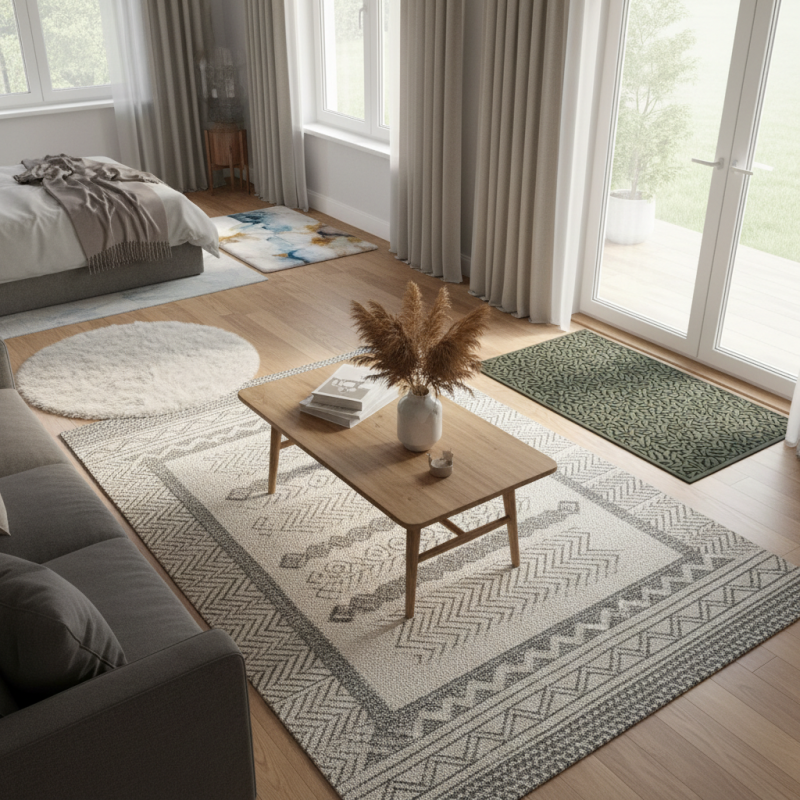
How to Choose the Best Floor Mats for Your Home?
Choosing the right Floor Mats can enhance your home’s aesthetic. Floor mats are more than just functional items. They serve various purposes such as adding comfort and style.
When selecting floor mats, consider the material. Options vary from rubber to plush fabrics. Each material has unique benefits, like durability or softness. Think about where you will place them. High-traffic areas need sturdy mats, while bedroom mats can be softer and cozier.
Don't overlook colors and patterns. They should complement your existing decor, but choosing a trendy design can be tempting. Sometimes, a flashy mat might clash with your theme. Allow yourself to reflect on practicality versus style. The ideal floor mats balance beauty and utility.
Types of Floor Mats and Their Uses in Home Environments
Choosing the right floor mats for your home involves understanding their various types and uses. Entrance mats are essential. They trap dirt and moisture, protecting your floors. Look for mats that absorb water well and have textured surfaces for better grip. These mats welcome guests while keeping your home cleaner.
Kitchen mats serve a different purpose. These mats often provide extra cushioning while you cook. Anti-fatigue mats can relieve pressure on your feet and back. Consider styles that complement your decor, but they should also be easy to clean. Many times, people overlook maintenance when selecting mats.
Bathroom mats are another key type. They help absorb water and add comfort when stepping out of the shower. Choose quick-drying fabrics to prevent mold. However, remember that color fades and materials can wear over time. Reflect on how often you can replace these items. The right mats can enhance your home, but they require thoughtful consideration and care.
Key Features to Look for When Selecting Floor Mats
When selecting floor mats for your home, consider their size and shape. Mats should fit well in your designated space. A mat that is too small may look out of place. Conversely, a mat that is too large can overwhelm your area. Measure your space before purchasing.
Material is crucial. Look for mats made from durable materials. They should withstand wear and tear from daily use. Non-slip backing is important for safety. This prevents slips and falls, especially in high-traffic areas.
Tip: Consider texture. A textured surface can enhance grip and prevent dirt from spreading. Easy-to-clean materials will save you time.
Color and pattern also matter. Choose hues that complement your home’s decor. A vibrant pattern can add character, while a neutral shade can create a calm environment. However, remember that bold designs may clash with existing furnishings. Leave room for flexibility in your choices.
Tip: Always assess how the mat feels underfoot. Comfort is essential, especially in areas where you'll spend time standing.
Material Considerations for Durability and Maintenance
When choosing floor mats, material is key. Durability and maintenance depend heavily on the type you select. Natural fibers like jute or sisal bring warmth, but they might wear out faster. Synthetic fibers like polyester or nylon offer great resilience. They are often easier to clean. Consider your lifestyle when making a choice.
Tips: Look for mats with a rubber backing. This can prevent slipping. If you have pets, consider mats that can resist stains and odors. Wool mats are luxurious, but they require more care. Regular vacuuming is essential to keep them looking fresh.
The environment matters, too. Recycled materials can be a great choice for eco-conscious homes. However, they may not always match high durability expectations. Always check for cleaning guidelines before making a purchase. Some materials may not be suitable for wet areas or high traffic zones. Be mindful of this when selecting your mats.
Aesthetic Factors: Matching Mats with Home Decor
When selecting floor mats for your home, aesthetics play a crucial role. You want mats that enhance your decor. Consider colors that complement your walls. Bold patterns can add character, while subtle designs create a serene atmosphere. Matching textures with furniture helps in achieving harmony. A plush rug can balance hard surfaces like wood or tile.
Think about the space's purpose when choosing mats. For a cozy living room, opt for soft, inviting options. In contrast, a sleek mat works well in a modern kitchen. Don't shy away from contrasting styles; an eclectic mix can showcase your personality. Place a vivid mat under a neutral table to draw attention.
However, be mindful of the materials you choose. Some mats may clash with your existing decor. For example, a shiny vinyl in a rustic setting might feel out of place. Reflect on your choices and how they fit in. Let your instincts guide you, but also be open to change. It's about creating a space that feels right for you.
Budgeting for Quality: Price Ranges for Various Floor Mats
When selecting floor mats for your home, consider your budget carefully. Prices can vary significantly based on materials and design. Basic rubber mats are often priced between $10 and $30. They are functional but might lack in style. If you want something more decorative, expect to pay between $50 to $100 for woven or fabric options.
High-quality, designer floor mats can cost $200 or more. These options are often made from durable materials and feature intricate designs. However, spending more doesn’t always guarantee better performance. Sometimes, cheaper mats may surprise you with their durability.
Consider your needs and lifestyle, too. If you live in a high-traffic area, invest in mats that are easy to clean. Remember, paying less might mean sacrificing quality. Reflect on what mat will serve you best in the long run. Look for deals, but aim for longevity over price alone.