What is a Corn Lamp and How Does It Work?
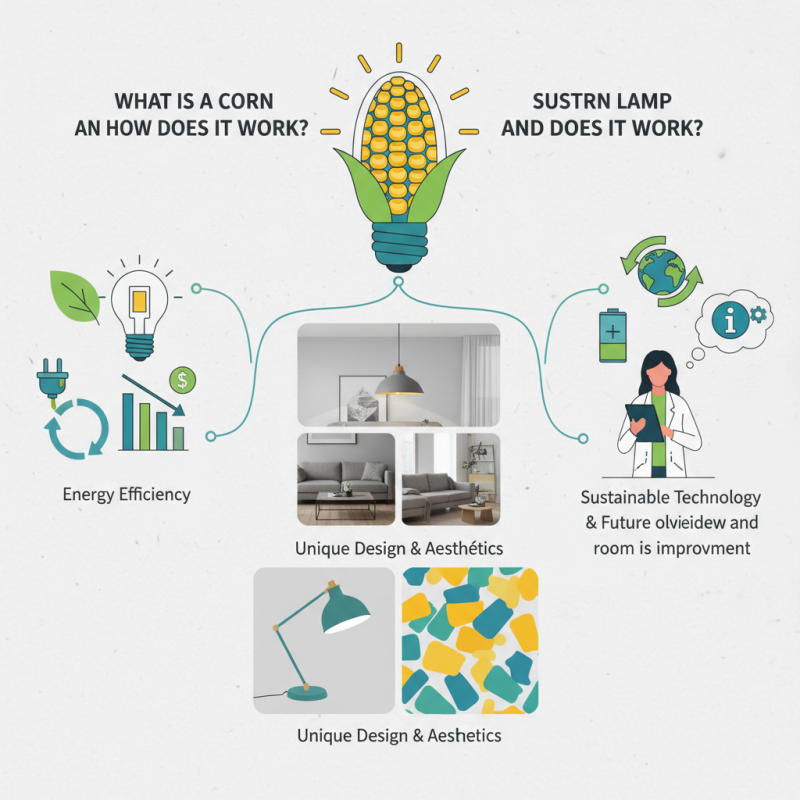
In recent years, the "Corn lamp" has emerged as a popular lighting solution. This innovative product integrates energy efficiency with unique design. Industry expert Dr. Emily Adams states, "The Corn lamp revolutionizes traditional lighting with sustainable technology." Her insights reflect the increasing importance of eco-friendly options in our daily lives.
The Corn lamp typically features LED technology. These bulbs resemble corn kernels, hence the name. They not only shine brightly but also consume less energy than conventional bulbs. As a result, users enjoy lower electricity bills while benefiting the environment. However, the market still faces challenges. Many consumers remain unaware of its advantages.
Moreover, the aesthetic appeal of a Corn lamp is undeniable. It can fit various interior styles, adding a modern touch. Yet, some users express concerns about longevity. It’s crucial to choose a reputable brand to ensure quality. Overall, the Corn lamp symbolizes a shift towards smarter, greener living. However, as with any new technology, there’s always room for improvement and reflection.
What is a Corn Lamp: Definition and Overview
A corn lamp, commonly known as LED corn bulb, is an energy-efficient lighting solution. It features multiple LED chips arranged in a corn-like shape. This design maximizes light output while minimizing energy consumption. According to industry reports, corn lamps can achieve up to 80% energy savings compared to traditional incandescent bulbs.
One significant advantage of corn lamps is their long lifespan. They can last up to 50,000 hours, significantly reducing replacement costs. Many consumers may overlook the value of longevity when selecting lighting options. Understanding this can lead to better purchasing decisions. For optimal performance, ensure that your corn lamp is compatible with the fixture.
Tips: Regularly check for dust accumulation on your lamps. Dirty bulbs can decrease brightness and efficiency.
Additionally, corn lamps offer a range of color temperatures, appealing to various aesthetic preferences. From warm white to cool daylight, selecting the right hue can enhance mood. However, some may find the cold tones too stark for cozy environments. Experiment with different shades to find what works best for you. In consideration of placement, proper positioning can dramatically influence light distribution, contributing to overall effectiveness.
The Components of a Corn Lamp and Their Functions
A corn lamp, often referred to as a corn light bulb, is an innovative lighting solution. It features LED technology to illuminate spaces efficiently. The core components of a corn lamp include the LED chips, a heat sink, and a driver. Each part plays a vital role in ensuring optimal performance.
The LED chips are responsible for producing light. They come in various configurations, providing different brightness levels. The heat sink helps dissipate heat generated by the chips. Efficient heat management enhances the lamp's lifespan and performance. A poorly designed heat sink can lead to reduced efficiency, so it’s essential to consider its quality.
The driver regulates the electrical input, ensuring safe operation. It converts AC voltage to the DC needed by the LEDs. A reliable driver helps prevent flickering, which can be distracting. Investing in a corn lamp with a robust driver can yield better lighting experiences. Each of these components contributes to the lamp's overall effectiveness, but their quality can vary widely, affecting performance and longevity.
How Corn Lamps Generate Light: The Working Mechanism
Corn lamps are innovative lighting solutions gaining popularity in energy-efficient applications. These lamps utilize maize-based materials to generate light. The process is relatively straightforward yet fascinating. The primary mechanism involves converting electrical energy into light through light-emitting diodes (LEDs) housed within a corn-like casing. Each LED emits a bright and focused light, creating an impressive luminosity.
Recent industry reports indicate that corn lamps produce significantly less heat compared to traditional bulbs. For instance, corn lamps can emit 1000 lumens while consuming only 12-15 watts. This efficiency leads to energy savings, reducing electricity bills significantly. In addition, the lifespan of these lamps can reach up to 50,000 hours. This durability reduces the frequency of replacements, aligning with sustainability goals.
Tips: To maximize the benefits of corn lamps, place them in areas where consistent lighting is needed. For outdoor spaces, ensure they are weather-resistant. Regular cleaning can enhance light output and effectiveness. Keep in mind, not all corn lamps are created equal; check for quality certifications.
It's essential to reflect on energy sources. While corn lamps are efficient, over-reliance on electricity still poses challenges. Exploring renewable energy sources to power these lamps could lead to even greater environmental benefits. Balancing convenience with sustainability is a thought-provoking journey.
Benefits of Using Corn Lamps Compared to Traditional Lighting
Corn lamps are an innovative lighting option that utilize LED technology, providing several advantages over traditional lighting. These lamps, shaped like corn, are designed to emulate the appearance of corn cobs and typically use SMD LED chips, which are known for their energy efficiency. According to the Department of Energy, LED lighting can use up to 75% less energy than incandescent bulbs, making corn lamps a more sustainable choice.
Using corn lamps can significantly reduce electricity costs. A report from the Lighting Research Center indicates that LED lamps have a lifespan of up to 25,000 hours, compared to the 1,000 hours typical for incandescent bulbs. This longevity means fewer replacements and less waste. Additionally, corn lamps produce very little heat, which is a safety benefit, especially in enclosed spaces.
However, it's essential to consider the initial investment. Corn lamps can be pricier upfront than standard lighting options. Some consumers report uncertainty about LED technology’s long-term benefits. The payback period, while often favorable, can vary depending on usage patterns and local energy prices. Nonetheless, many users find that the advantages of lower energy consumption and decreased maintenance costs outweigh the initial expense in the long run.
Comparison of Energy Consumption: Corn Lamps vs Traditional Lighting
Applications of Corn Lamps in Various Settings
Corn lamps are increasingly popular in diverse settings. Their unique design and energy efficiency attract many users. You’ll find them in residential spaces, commercial buildings, and even outdoor environments.
In homes, corn lamps often serve as energy-efficient lighting options. They can replace traditional bulbs in fixtures. Many homeowners appreciate the warm glow they emit. Additionally, these lamps work well in kitchens and living rooms. In commercial settings, they illuminate large areas, like warehouses and retail spaces. Their long lifespan reduces maintenance costs, making them practical for business owners.
Outdoor applications also showcase the versatility of corn lamps. Parks, gardens, and pathways benefit from their bright light. Installing them enhances safety and visibility during nighttime. However, some users report dimming issues after prolonged use. Regular maintenance is essential to ensure optimal performance. While corn lamps are a sound choice, users should consider the quality and installation process.