How to Choose the Best Task Stool in 2026?
Choosing the right Task Stool in 2026 requires more than comparing colors, prices, and online ratings. A reliable choice begins with your real working conditions. Measure the desk, counter, and floor space before browsing. A stool that feels comfortable beside a showroom counter may feel cramped at a home workstation.
Ergonomist Alan Hedge is widely associated with the practical reminder, “The best posture is the next posture.” That idea matters. A useful Task Stool should support frequent movement, not force one rigid sitting position. Look for adjustable height, a stable five-point base, smooth casters, and a foot ring that does not press against your legs. The seat should support your hips without cutting into the thighs. Try sitting for ten minutes, then standing and turning. Small discomforts become obvious.
Materials also deserve attention. Breathable mesh can reduce heat during long sessions, while molded foam may provide firmer support. Check the weight capacity, warranty terms, replacement parts, and adjustment mechanism. Independent testing or recognized safety certifications can add confidence, but certification labels should still be verified. Marketing language is not evidence.
There is no perfect model. A compact stool may sacrifice cushioning, and a padded design may occupy more space. I once underestimated seat depth and noticed lower-back fatigue within an hour. That mistake is worth remembering. Your posture, flooring, and daily routine may challenge general recommendations. Use this guide to compare evidence, test fit, and choose a Task Stool that supports practical movement over temporary comfort.
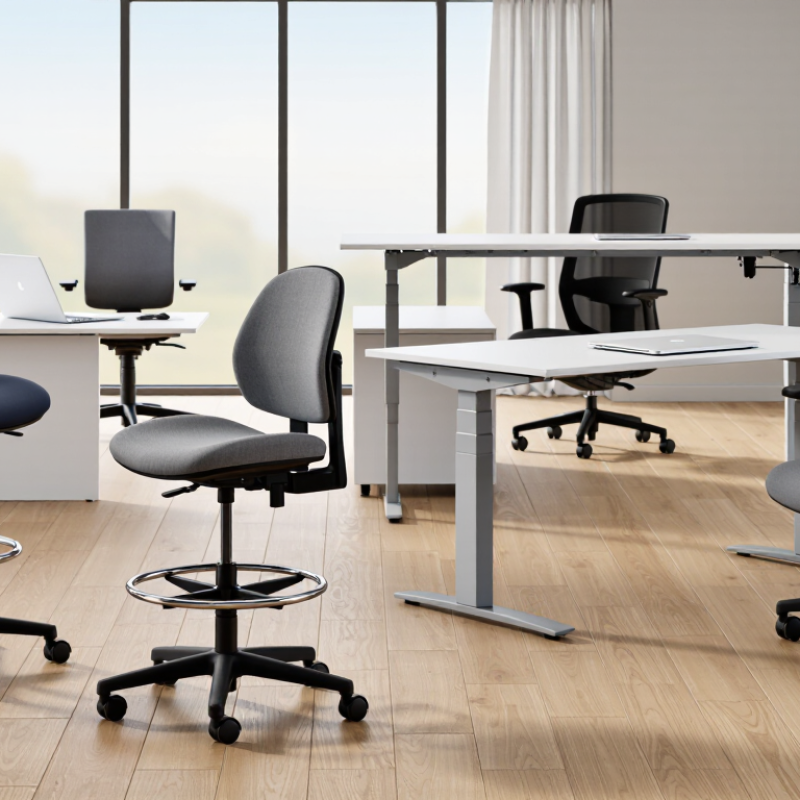
Define the Use Case and Load with ANSI/BIFMA’s 275-lb Test Benchmark
A task stool should fit the work, not just the room. Note how long you sit, how often you move, and whether your feet need a stable resting place. A repair bench may call for a foot ring and easy height adjustment. A shared workstation may need a base that rolls smoothly without drifting. Measure the work surface before choosing; a few inches can change your posture.
Use ANSI/BIFMA’s 275-pound test benchmark as a useful reference, not a guarantee for every stool or working condition. Check the product documentation to confirm which standard and tests apply. A stated 275-pound capacity does not automatically mean the stool was tested or certified to that benchmark. Ask for clear test information when it matters. That matters.
Think about the actual load, too. Consider the seated user and any tools or equipment carried on the stool, but do not assume those extras are covered by its rating. Inspect the base, joints, seat, and adjustment controls for clear construction details. On a hard floor, a narrow base or loose caster can feel less steady during repeated turns. Small detail. I would compare the stated capacity with the work routine, then question whether the test information is specific enough. A number helps, but it cannot replace a fit check.
How to Choose the Best Task Stool in 2026? - Define the Use Case and Load with ANSI/BIFMA’s 275-lb Test Benchmark
| Use case | Useful seat-height range | Features to prioritize | Load and test check | Before buying |
|---|---|---|---|---|
| Standard-height workbench | About 18–24 in (46–61 cm) | Height adjustment, stable five-star base, and a footrest if feet do not rest comfortably on the floor. | For a user near 275 lb, confirm the stool’s stated user-weight capacity and request documentation for the applicable ANSI/BIFMA test standard. | Measure the work surface and check that the seat can be adjusted to a comfortable working height. |
| Counter-height station | Often about 24–29 in (61–74 cm) | A taller adjustment range, secure foot support, and a base suited to the available floor space. | Check the rated capacity rather than inferring it from the stool’s appearance; verify which product configuration the test report covers. | Measure from the floor to the underside of the counter and allow room for legs and foot support. |
| Standing-height bench | Often about 28–34 in (71–86 cm) | A high-lift mechanism, accessible foot ring or footrest, and a broad, stable base. | At the top of the adjustment range, stability and secure adjustment matter; check the rated load and test documentation for the stool’s intended use. | Confirm the maximum seat height while seated, not just the advertised overall stool height. |
| Frequent movement between stations | Choose a range that matches the work surfaces used most often. | Casters matched to the floor, a suitable base footprint, and an adjustment control that is easy to reach. | The 275-lb figure is a comparison benchmark, not proof that every stool meets an ANSI/BIFMA standard. Look for test details for the exact model. | Check whether casters are appropriate for the floor surface and whether the stool remains stable during normal movement. |
| Longer seated work periods | Set by the work surface and the user’s seated posture. | A supportive seat, appropriate seat depth and width, stable adjustment, and a footrest when needed. | Compare the user’s weight with the published capacity, and check whether the capacity and test claims apply to sustained task use. | If possible, test the seat for comfort and confirm that feet and lower legs are supported in the working position. |
Benchmark note: ANSI/BIFMA standards specify test methods and requirements for applicable furniture products; 275 lb is a useful load-comparison reference, not a universal pass/fail rule for every task stool. Verify the applicable standard, test documentation, rated capacity, and intended-use conditions for the exact model.
Related Posts
-

Unlocking the Benefits of Task Stools: A Comprehensive Guide
-
Global Market Leadership with Best Office Chair Stools from China Focus on Quality and Innovation
-

Top 5 Challenges Faced by Buyers When Sourcing the Best Adjustable Footstool Globally
-

Ultimate Guide to Choosing the Best Leather Boardroom Chairs for Your Office Needs
-
Best Wood Desk Chair Designs for Productivity and Comfort?
-

Top Office Seating Chairs for 2026 What to Consider?