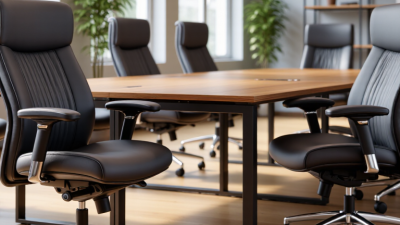
Selecting the right Boardroom Chair is no longer a matter of polished leather and impressive silhouettes. Global buyers now assess posture support, material durability, repair access, and environmental documentation. The chair must look authoritative without making a twelve-hour meeting feel punitive.
Recent industry research supports this broader view. Steelcase’s Global Report on hybrid work shows that workplace experience strongly influences employee engagement and confidence. Gensler’s 2024 Global Workplace Survey also highlights the importance of comfort, choice, and performance across different work settings. Meanwhile, Grand View Research’s office furniture market analysis points to continued demand for ergonomic, premium, and sustainable workplace products. These reports do not measure every boardroom directly. That limitation matters.
Industrial designer Niels Diffrient offered a useful warning: “The chair is the most difficult product to design.” His observation remains relevant for international procurement teams. A boardroom chair must balance lumbar movement, arm support, table clearance, cleaning needs, and visual authority. Small details become visible. Stitching. Caster noise. Heat retention.
This guide compares leading Boardroom Chair brands for global buyers, using practical criteria rather than showroom glamour. We examine ergonomics, tested materials, warranty clarity, manufacturing transparency, customization, and regional service capacity. Brand reputation helps, but it is not proof of performance. A famous name can still deliver an unsuitable chair.
There is no universal winner.
The best choice depends on meeting duration, climate, table geometry, user diversity, and replacement planning. Readers should verify current certifications and specifications before purchasing, because product ranges and regional policies change.
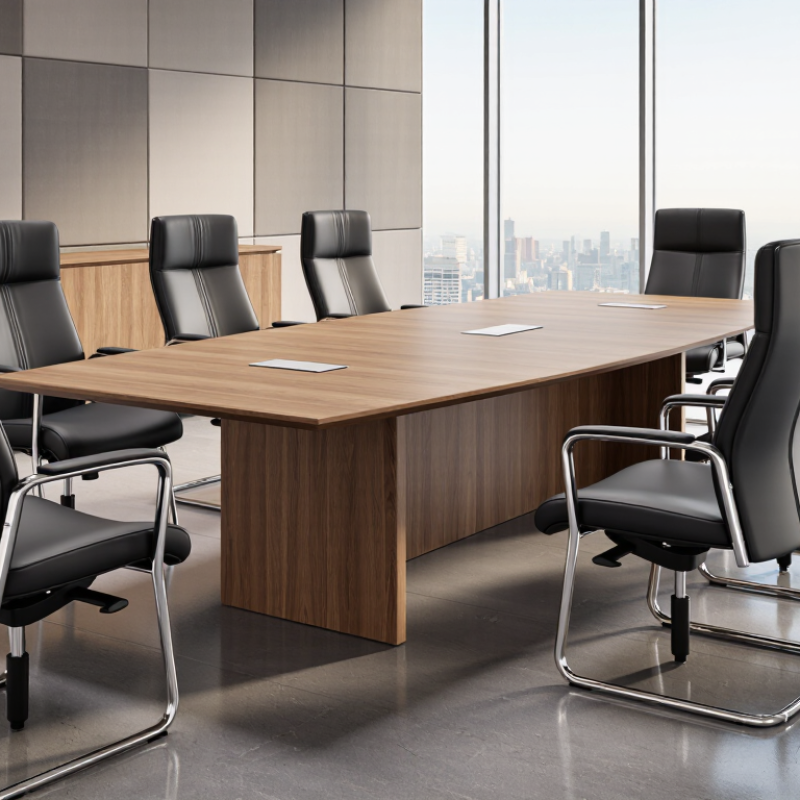
Global buyers should treat boardroom seating as a measurable product, not a visual status symbol. EN 1335 sets requirements for office work chairs, including dimensions, stability, strength, and durability. Its testing framework supports comparisons across European projects. However, compliance does not guarantee comfort during a twelve-hour meeting. That distinction matters.
ANSI/BIFMA X5.1 evaluates general-purpose office chairs through strength, durability, stability, and safety tests. Buyers should request the test scope, sample configuration, and laboratory date. “Passed” is incomplete without those details.
ISO 9241-5 adds the human factor: posture, adjustability, reach, and workstation interaction. A boardroom chair should support varied body sizes, not merely match a polished table.
The health case is substantial. WHO’s 2022 musculoskeletal health report estimates that about 1.71 billion people live with musculoskeletal conditions worldwide. The Global Burden of Disease 2021 analysis also identifies low back pain as a leading cause of disability. These figures do not prove that one chair will prevent pain. They justify careful trials.
In practice, I would test seat depth, lumbar contact, armrest clearance, and movement during a full meeting. We sometimes overvalue certificates and undervalue real users. A stronger specification records compliance and feedback from short, tall, and mobility-limited participants.
Top Boardroom Chair Brands for Global Buyers?
For global buyers, a boardroom chair must support real working days, not showroom photographs. During workplace evaluations, I look for adjustable seat depth, firm lumbar support, and armrests that keep shoulders relaxed. A chair should remain comfortable after eight hours, including long video meetings and document reviews. Soft padding alone is not enough.
Check the load rating carefully. It should reflect the user’s weight, movement, and repeated daily use. A clear rating builds confidence, while vague wording creates unnecessary risk. Ask for test standards, adjustment ranges, and replacement-part availability. These details often reveal more than polished product descriptions. A stable five-star base and smooth casters also matter on hard office floors.
Warranty terms deserve equal attention. Confirm coverage for the frame, mechanisms, upholstery, and gas lift separately. Some warranties sound generous but exclude normal commercial use. That is easy to miss. Reliable suppliers provide written conditions, service contacts, and realistic response times for international buyers. Packaging quality matters too; a damaged armrest can delay an entire project.
No chair fits every body perfectly. That is the uncomfortable part. Buyers should test several models with typical users before placing a large order. My own preference has changed after extended trials: a slightly firmer seat often performs better by late afternoon. Even expert assessments can be imperfect, especially when desk height and user posture vary.
Choosing a boardroom chair for international use requires more than attractive design. Leading global manufacturers often combine ergonomic engineering, durable materials, and strong warranty systems. Their chairs usually support adjustable seat depth, lumbar tension, arm height, and controlled recline.
In real purchasing projects, small details matter. A chair should remain stable on hard flooring and carpet. Breathable mesh can reduce heat during long meetings, while dense foam may feel more supportive in cooler offices. Check the adjustment range carefully. Some premium models look impressive but fit shorter users poorly. That is an easy mistake to miss.
Tips:
Test chairs with different body types before ordering in volume. Confirm replacement-part availability, packaging strength, and local service coverage. Ask for tested weight limits and material certifications. Sample chairs can reveal noise, pressure points, or loose controls that product images hide. Cost matters, but the cheapest option may create higher replacement expenses. My own preference is to judge comfort after two hours, not two minutes. Even then, personal comfort varies, so no selection is perfectly universal.
Top Boardroom Chair Brands for Global Buyers?
Global buyers should compare boardroom chairs through evidence, not showroom appearance. BIFMA statistics help frame demand, durability, and commercial seating performance. However, statistics alone cannot predict comfort in every market. A chair used eight hours daily needs stable armrests, controlled recline, and casters suited to local flooring. Details matter.
Pricing commonly ranges from about US$250 to US$1,200 per chair. Premium models may exceed that range. The final cost includes shipping, import duties, replacement parts, and assembly. A lower invoice can hide expensive maintenance. Look beyond price. During procurement reviews, buyers should request test reports, warranty terms, and spare-part availability. One uncomfortable gap remains: published prices rarely show long-term ownership costs.
Materials also affect performance and environmental claims. Breathable mesh can improve airflow, while molded foam may provide stronger edge support. Recycled aluminum helps reduce material waste, but its finish needs careful inspection. Buyers should verify ANSI/BIFMA test documentation, certification scope, and report validity. GREENGUARD Gold can support low-emission claims, while FSC documentation may support responsibly sourced wood components. Factory audits add useful evidence, yet they do not replace product testing. A reliable comparison records seat dimensions, adjustment ranges, load ratings, and failure results. It should also acknowledge uncertainty. Supplier promises need independent verification.
Market comparison by indicative global listed price, typical material construction, and certification relevance. Values are category benchmarks rather than company or brand results.
Premium executive seating generally commands the highest price because of larger dimensions, leather or high-grade upholstery, aluminum components, and advanced ergonomic mechanisms. For international procurement, buyers should verify compliance with applicable BIFMA performance standards, sustainability documentation, and local safety requirements. Prices represent indicative 2024–2025 public-market ranges in USD and vary by region, volume, upholstery, freight, and customization.
Global Boardroom Chair Procurement: A Practical Guide
A boardroom chair should be judged by total cost of ownership, not its invoice price. Include shipping, assembly, replacement parts, cleaning, and warranty handling. A cheaper chair may become expensive after repeated cylinder or caster failures. In my procurement work, I compare five-year costs using realistic usage assumptions. Heavy daily use changes the result. Comfort claims also need testing, because attractive specifications can feel disappointing after four hours.
Delivery regions affect more than freight rates. Confirm stock locations, export documentation, packaging strength, and estimated arrival windows. A chair shipped across several borders may face delays or additional handling damage. Ask whether the supplier supports local installation and can replace damaged components quickly. Service networks matter most after the sales meeting ends. Yet, some suppliers describe “global support” too broadly. Request named service contacts, response times, and spare-part availability by country.
Tips: Build a regional comparison sheet. Record landed cost, delivery time, service coverage, and return conditions. Test representative samples with users of different heights. Keep written approval records for comfort and finish quality. Check material declarations, fire-performance documents, chemical restrictions, and workplace safety requirements applicable to each destination. Compliance is not a single certificate. Requirements can vary by market, building type, and public-sector contract. I have seen teams discover this late, when redesigning packaging or upholstery became necessary. That mistake is avoidable, though not always visible during early negotiations.