Top Tips for Choosing the Best Desk Armchair for Comfort
Choosing the right desk armchair is essential for a comfortable workspace. According to John Smith, an expert in ergonomic design, "A good desk armchair can transform your work environment." His insight highlights the importance of proper seating.
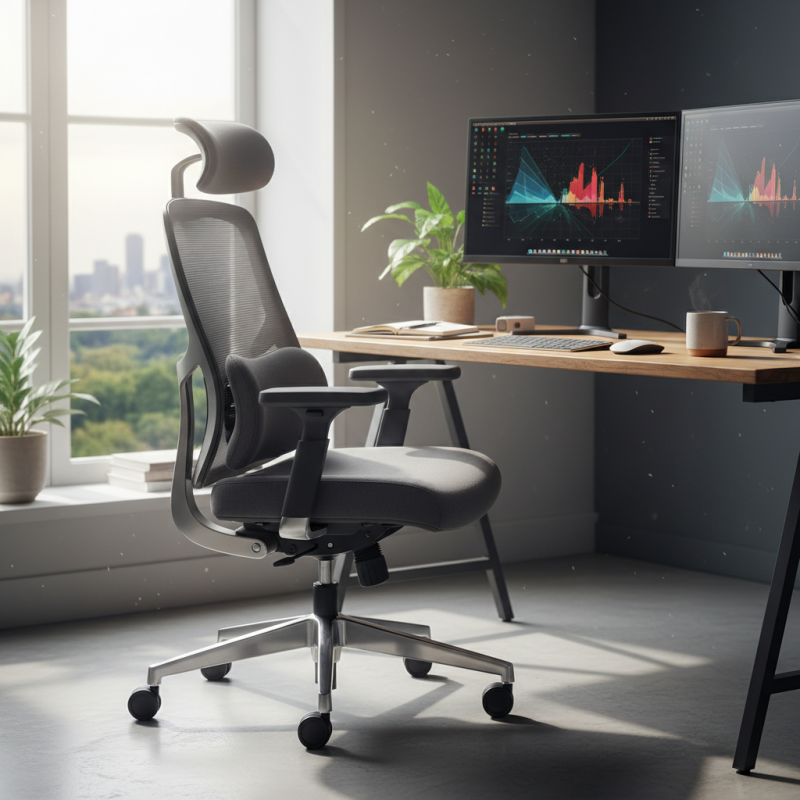
When selecting a desk armchair, comfort and support are key factors. An ideal chair should have proper lumbar support. This is crucial for long hours of work. Many people underestimate how a bad chair can affect productivity. It's not just about looks; it's about how the chair feels.
Look for adjustable features in a desk armchair. The height, armrests, and backrest should all be customizable. These details matter and can significantly enhance your comfort level. Remember, a desk armchair may seem like a simple choice, but it deserves reflection. Opting for quality over quantity will benefit your well-being in the long run.
Understanding the Importance of Comfort in Desk Armchairs
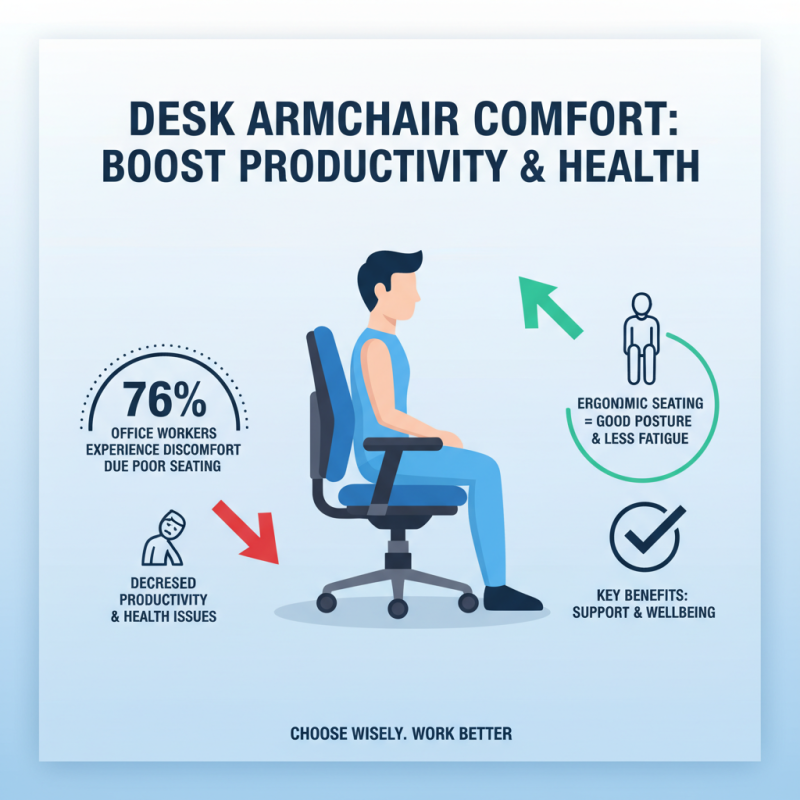
When choosing a desk armchair, comfort is key. Research shows that 76% of office workers experience discomfort due to poor seating. This discomfort can lead to decreased productivity and increased health issues. A suitable desk chair not only supports good posture but also minimizes fatigue.
Consider the ergonomic features of a chair. Proper lumbar support is essential. Chairs without adequate back support can contribute to chronic pain. Studies indicate that over 50% of employees report lower back pain from sitting too long in uncomfortable chairs. An adjustable height feature is also crucial for maintaining ergonomics.
Don’t overlook the material of the chair. Breathable fabrics can enhance comfort during long hours of work. Cushioned seating can relieve pressure points. Many people ignore how these factors impact long-term health. A well-chosen desk armchair is an investment in both comfort and productivity.
Key Features to Look for in a Comfortable Desk Armchair
When choosing a comfortable desk armchair, key features greatly influence overall user satisfaction. Ergonomics is crucial. A chair that supports the natural curve of your spine can prevent long-term back issues. According to a 2021 report by the American Chiropractic Association, around 31 million Americans experience lower back pain. A good chair can reduce this risk significantly.
Seat height and depth also matter. A chair with adjustable height allows users to find their perfect position. The seat should allow your feet to touch the ground comfortably. Many studies suggest that feet flat on the floor enhance circulation and decrease fatigue. Look for armrests that can adapt as well. They should support your arms without straining your shoulders.
Materials influence comfort, too. Breathable fabrics prevent overheating during long hours. Foam cushions can offer good support but may compress over time. An industry survey showed that 62% of people wish their chairs felt better after extended use. Testing the chair is essential. If possible, sit in it for several minutes. Consider how it feels and whether it aligns with your unique needs and posture.
Top Tips for Choosing the Best Desk Armchair for Comfort
Ergonomic Design: Enhancing Comfort and Supporting Posture
An ergonomic chair is key to enhancing comfort and supporting posture. Studies show that poor seating contributes to back pain. According to research by the American Chiropractic Association, about 31 million Americans experience lower back pain. A supportive chair can make a significant difference.
Look for features such as lumbar support. This design helps maintain the natural curve of the spine. Adjustability is important too. A chair must accommodate different heights and body types. Industry data suggests that adjustable chairs reduce discomfort by about 50%. It’s essential to test a chair before purchasing.
Material matters. Breathable fabrics can affect comfort levels during long hours of sitting. Memory foam cushions offer support but may not be breathable enough. Many find it hard to balance comfort with necessary support. Regularly reassessing your chair choice can lead to better long-term health. A good desk chair often requires ongoing evaluation to meet evolving needs.
Top Tips for Choosing the Best Desk Armchair for Comfort
| Feature |
Description |
Importance |
| Adjustable Height |
Allows users to customize the height for optimal desk-to-chair alignment. |
High |
| Lumbar Support |
Provides support to the lower back, promoting good posture. |
Critical |
| Seat Padding |
Comfortable cushioning for prolonged sitting sessions. |
Medium |
| Backrest Tilt |
Ability to recline for relaxing and reducing pressure on the spine. |
High |
| Armrest Height |
Adjustable armrests to reduce strain on shoulders and neck. |
Medium |
| Material |
Breathable fabric or leather for comfort and ease of maintenance. |
High |
| Mobility |
Wheels or casters for easy movement around the workspace. |
Medium |
Materials and Upholstery: Choosing the Right Textiles for Comfort
When choosing the right desk armchair, the materials and upholstery play a significant role in comfort.
Natural fibers, like cotton and linen, offer breathability. They prevent overheating during long hours at the desk.
However, they may not be as durable as synthetic options. Consider how often you’ll use the chair. Some may wear out faster than you expect.
Leather adds a touch of luxury but can be slippery. It’s also important to think about maintenance.
Faux leather provides a similar look with easier cleaning. Textiles like velour can be soft and cozy but might attract dust and allergens.
You might regret choosing a fabric that’s harder to care for.
Choosing the right upholstery should also complement your style. Patterns and colors can brighten your workspace.
Yet, trendy designs may feel outdated quickly. Stick with classic tones if you want longevity.
When in doubt, fabric swatches can help visualize your options better.
It’s okay to experiment, but be aware of how that affects your comfort and workspace ambiance.
Testing and Adjusting: Ensuring the Perfect Fit for Your Needs
When selecting a desk armchair, comfort is crucial. The right fit can enhance productivity and reduce fatigue. It's essential to test various models. Sit in each chair for at least 10 minutes. Pay attention to your posture. Are your feet flat on the floor? Is your back supported?
Adjustability is key for a personalized experience. Look for chairs that offer height adjustments, armrests, and lumbar support. Small changes can make a big difference. If your chair doesn’t have these features, it may not be the best choice for long-term use.
Don’t rush the selection process. It’s okay to sit in a few different options. Sometimes, a chair that looks good may not feel good. Consider how it fits your workspace too. An uncomfortable chair impacts your focus. Take the time to find the perfect match for your needs. Your comfort during long hours matters.