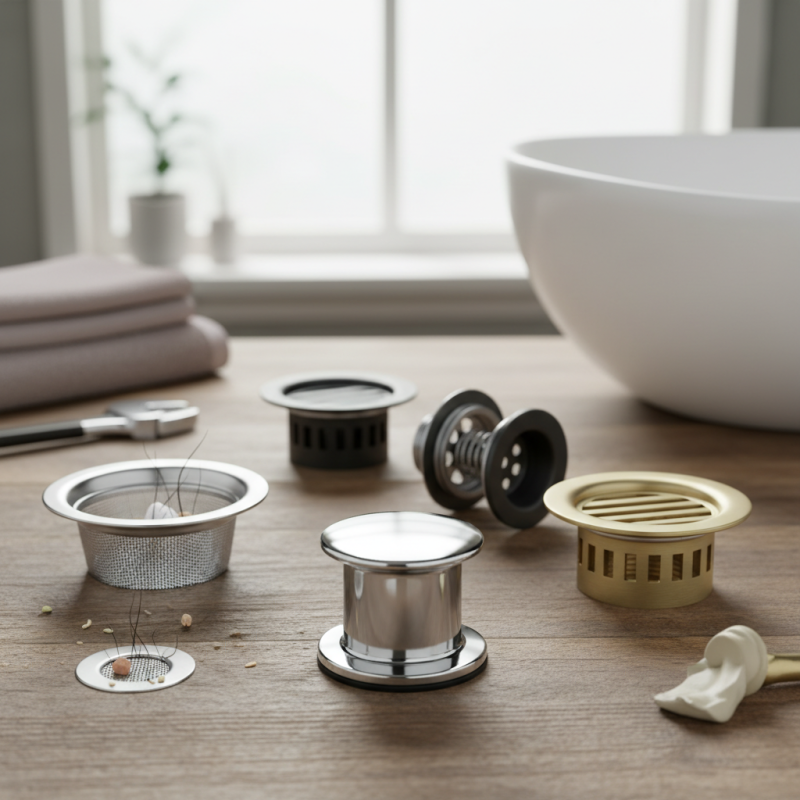
Top Basin Sink Drain Types for Your Home Needs?
When it comes to home improvement, choosing the right Basin Sink Drain is essential. An efficient sink drain system can prevent clogs and ensure proper water flow. Homeowners often overlook this important component. Yet, the right choice impacts daily routines and overall home functionality.
There are various types of basin sink drains available. Each type serves unique needs and preferences. For instance, a pop-up drain provides convenience, while a strainer drain focuses on preventing debris buildup. Understanding these differences helps make an informed choice.
Selecting the perfect basin sink drain requires some thought. Factors like installation ease and material durability matter significantly. While it can be tempting to choose based solely on aesthetics, practicality should prevail. Reflecting on your home's specific needs can lead to better functionality and satisfaction.
Understanding the Different Types of Basin Sink Drains
When considering basin sink drains, it’s crucial to understand the various types available. Each design offers unique features tailored to different needs. For instance, pop-up drains are popular for their ease of use. They can be operated with a simple push, making them user-friendly.
Another common type is the grid drain. This design often lacks a stopper, making it suitable for areas where quick drainage is essential. However, without a stopper, small items may accidentally slip through. A strainer drain, with its mesh feature, can prevent debris from clogging.
Choosing the right type requires careful thought. Factors like installation space, frequency of use, and maintenance affect your decision. Do you prefer convenience or efficiency? Reflecting on these aspects will help you find a drain that meets your household needs.
Key Features to Consider When Choosing a Sink Drain
When selecting a sink drain, several key features should guide your decision. Firstly, the size of the drain is crucial. Standard sink drains usually measure 1.5 inches in diameter. However, larger sinks might require bigger drains for faster water flow. According to industry reports, inadequate drainage can lead to clogs, necessitating frequent maintenance, which ultimately adds to costs.
Another essential consideration is the material of the drain. Stainless steel is popular due to its durability and resistance to corrosion. However, plastic drains are lightweight and often more affordable. A report by the Plumbing Manufacturers International indicates that over 30% of homeowners experience issues related to poor materials in their plumbing fixtures. This data highlights the importance of choosing quality materials for a lasting solution.
Additionally, drainage design plays a significant role in function. Some designs include built-in strainers to catch debris. Others may lack this feature, leading to potential blockages. It’s essential to evaluate your daily usage. For example, a household with heavy usage might require a more robust design. Research indicates that homeowners often overlook these features, resulting in dissatisfaction over time. Choosing wisely can save both time and money in the long run.
Top Basin Sink Drain Types for Your Home Needs
| Drain Type | Key Features | Material | Installation Type | Ideal For |
| Pop-Up Drain | Easy to use, prevents clogs | Metal, Plastic | Drop-in | Standard kitchen/bathroom sinks |
| Grid Drain | Stylish design, allows flow while trapping debris | Stainless Steel, Bronze | Surface mount | Modern sinks |
| Basket Strainer | Multi-functional, traps food waste | Brass, Plastic | Drop-in | Kitchen sinks |
| Wall-Mounted Drain | Saves space, reduces clutter | Plastic, Metal | Wall installation | Minimalist designs |
| Universal Drain | Versatile, fits multiple sinks | PVC, Stainless Steel | Adaptable | Various sink types |
Comparative Analysis of Pop-Up vs. Pull-Down Sink Drains
When choosing sink drains, two popular options are pop-up and pull-down designs. Both serve the same function but differ significantly in operation and user experience. A pop-up sink drain uses a lever or knob to raise and lower a stopper, providing a clean look. Its simple mechanism is easy to use, particularly for those who prefer straightforward functionality.
On the other hand, pull-down sink drains operate with a chain or cord. This design offers greater flexibility for filling and draining water. However, it can sometimes be less reliable. Users may find that the cord stretches over time, leading to less efficient operation. This design might also require more maintenance, as the chain can snag on the sink edges or accumulate debris.
Both drainage types have their advantages and disadvantages. Preferences often hinge on individual usage patterns and aesthetic styles. It is essential to weigh the pros and cons carefully. Assessing how each design fits into your daily routine can lead to a more satisfactory choice.
Installation Guide for Various Basin Sink Drain Types
When installing a basin sink drain, several types cater to different needs. Understanding these options can make the installation process smoother. For instance, a pop-up drain is popular for its ease of use. It allows you to easily close or open the drain with a simple push. However, aligning the mechanism can be tricky.
Another type is the basket drain, perfect for larger sinks or utility areas. Installation is straightforward; just place it in the hole and seal it with plumber's putty. Yet, over time, debris can build up, and removal for cleaning can be cumbersome.
Lastly, the overflow drain prevents water from overflowing but requires precise fitting. If installed incorrectly, leaks can occur, leading to extensive water damage.
Each drain type has its pros and cons. Factors such as sink size, installation skill level, and expected use should guide your choice. Reflecting on your unique needs will lead to better decision-making.
Maintenance Tips for Optimal Performance of Sink Drains
Maintaining sink drains is essential for optimal performance. Regular cleaning prevents clogs and foul odors. Use a mixture of baking soda and vinegar to break down grease. This natural solution is effective and safe for pipes. Pour it down the drain and let it fizz for a few minutes. After that, flush with hot water.
Inspecting the drain regularly helps identify minor issues before they escalate. Look for signs of leaks or rust. Minor leaks can lead to significant water damage if ignored. Tightening loose fittings can often solve these problems. This quick check should be part of your routine.
For homes with heavy usage, consider installing a drain strainer. This small device captures food particles and debris. It reduces the risk of blockages significantly. However, remember to clean the strainer often. Neglecting it could lead to worse clogs. In conclusion, proactive maintenance keeps your sink drains running smoothly and efficiently.