Top 10 Cotton Bed Cover Manufacturers in China
China has a broad cotton bed cover industry, from family-run workshops to large export manufacturers. Yet a polished catalogue does not tell the whole story. Buyers need to check fiber composition, fabric weight, weave, stitching, color consistency, and shrinkage after washing. Small details matter. A loose seam or uneven dye can change how a cover feels and performs at home.
Textile designer and manufacturer William Morris offered a useful principle: “Have nothing in your houses that you do not know to be useful, or believe to be beautiful.” For a Cotton Bed Cover, both parts count. This guide compares ten Chinese manufacturers by product range, customization, production capabilities, quality controls, and export experience. It also highlights practical questions about minimum orders, sample policies, lead times, and material documentation. These details help buyers move beyond attractive product photos.
No list can replace a factory audit or a carefully reviewed sample. A sample may look excellent, while bulk production reveals differences in color or finish. That deserves attention. The comparisons that follow are intended as a starting point, not a guarantee of performance. Use them to identify suppliers worth contacting, then verify specifications and service directly before placing an order.
Overview of China’s Cotton Bed Cover Manufacturing Industry
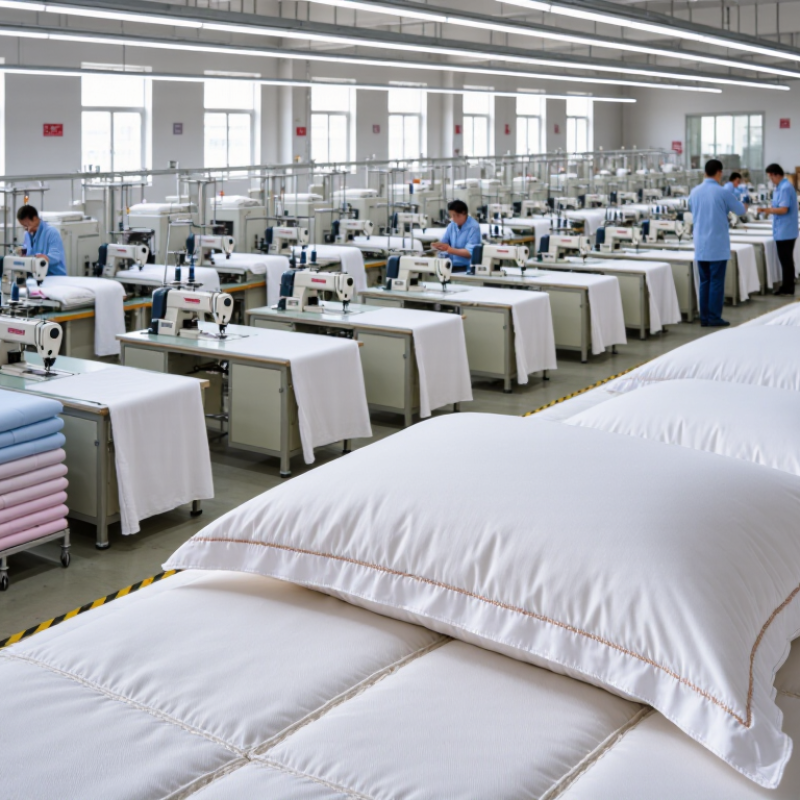
China’s cotton bed cover industry links spinning, weaving, dyeing, cutting, and sewing across a broad textile supply base. In some production areas, factories can source fabric, apply prints or dyes, and sew finished covers within a connected network. This can simplify coordination, though quality control and capacity differ between suppliers. Yarn quality, weave, fabric weight, and finishing all affect softness, breathability, and durability. A smooth sample is not enough. Buyers should also check shrinkage after washing, colorfastness, seam strength, and consistency across repeat orders.
Manufacturing activity is concentrated in several eastern and coastal regions, including Zhejiang and Jiangsu, where textile suppliers and finishing services are widely available. Many producers handle custom sizes, patterns, and packaging, but detailed specifications help prevent avoidable differences between samples and bulk production. Small tests matter. The industry can be efficient, yet the lowest quoted price may leave little room for careful inspection or consistent finishing. Supplier descriptions often sound similar; repeated washing may reveal the real differences. For buyers, clear fabric requirements and documented quality checks make sourcing decisions more dependable.
How Cotton Bed Covers Are Made and Classified
Cotton bed covers begin with fiber selection. Longer cotton fibers generally spin into smoother, stronger yarn, though the final feel also depends on spinning and finishing. Mills clean and card the fibers, spin them into yarn, then weave or knit the fabric. Woven cloth is common for structured covers. The fabric is dyed or printed, washed, and finished before panels are cut and sewn. Details matter. A slightly uneven seam can affect how a cover sits on the bed.
Classification often describes the weave, fabric weight, yarn, or surface finish. Percale uses a plain weave and usually feels crisp; sateen uses a different weave that creates a smoother surface. These names describe construction, not guaranteed quality. Weight can suggest whether a cover feels light or substantial, but measurements and local labeling practices vary. Check the fabric composition and care instructions, too.
Some covers are quilted, with stitching that holds layers together; others are single-layer woven fabrics or removable duvet covers. These are different constructions, even when sellers use similar descriptions. A close look at stitching, fabric density, and finishing can reveal more than a broad label. Still, touch and appearance are not perfect tests. Cotton can soften after washing, and finishes may change its first impression. A careful specification should state the fiber content, construction, dimensions, and washing guidance plainly.
Criteria for Selecting Leading Chinese Manufacturers
For a “Top 10 Cotton Bed Cover Manufacturers in China” shortlist, judge evidence, not polished factory photos. Textile Exchange’s Materials Market Report 2024 estimates global fiber production reached 124 million tonnes in 2023, with cotton making up about 19 percent. That scale makes clear fiber specifications matter. Ask manufacturers to document cotton content, fabric weight, yarn details, and the source of their material. Request recent test results for shrinkage, colorfastness, and pilling, then compare them with your product requirements. A neat swatch is useful. It is not proof of batch consistency.
Production control deserves equal attention. Request a sample, wash it, and inspect the seams, closures, and fabric feel under ordinary use. Ask how the factory checks measurements and handles defects during cutting and sewing. The OECD’s garment and footwear supply-chain guidance recommends risk-based due diligence, including tracing suppliers and assessing production risks. Use that principle to ask who supplies the fabric and whether subcontracting is disclosed. Visit or arrange an independent audit when practical. A strong first sample can still disappoint after washing; one test is never enough. Price matters, but low quotes may omit testing, packaging, or quality checks. Compare like with like, and record any unanswered questions before choosing a supplier.
Profiles of 10 Notable Cotton Bed Cover Manufacturers
China’s cotton bed-cover sector includes manufacturers with different strengths, from weaving to finishing. Since company names are omitted, these ten profiles describe useful production types, not a verified ranking.
An integrated mill controls spinning, weaving, and sewing.
An export-focused supplier may coordinate sampling and shipping.
A jacquard specialist creates raised patterns in the fabric.
A plain-weave producer often emphasizes consistent texture and color.
A hotel-linen maker typically prioritizes durable seams and repeat orders.
A small-batch workshop may suit buyers testing new designs.
A digital-printing facility can produce detailed patterns and short runs.
A finishing specialist handles processes such as softening and preshrinking.
An organic-cotton supplier should provide clear material documentation.
An OEM producer adapts dimensions, labels, and packaging to buyer specifications.
Details matter. Ask how fabric weight, shrinkage, and colorfastness are checked, rather than relying on a sample alone. Production quality can vary between batches.
Tips: Request a washed sample and inspect its seams, feel, and color in daylight.
Confirm testing methods and tolerances in writing.
One imperfect point: supplier profiles cannot replace a factory audit, and polished samples may not reflect routine production.
Products, Quality Standards, and Export Capabilities of the Top 10
Across a top-ten shortlist of Chinese cotton bed cover manufacturers, product range matters. Look for plain percale, smooth sateen, textured jacquard, and quilted options. Check fiber content, fabric weight, weave, and available sizes. A clear specification sheet helps prevent mismatches between a sample and a bulk order.
Quality needs evidence, not adjectives. Ask for test records covering colorfastness, shrinkage, pilling, and seam strength. Check whether labels accurately state fiber composition and care instructions. Some suppliers follow formal quality-management systems, but a certificate alone cannot prove every shipment is consistent. Small checks matter. Wash a sample and inspect its seams.
Export capability includes more than overseas experience. Confirm minimum order quantities, customization limits, packaging choices, production lead times, and shipping arrangements. Ask who prepares export documents and how delays are communicated. Capacity can change with season and order size. Samples can mislead. Request a pre-production sample, compare it with the approved specifications, and agree on inspection points before manufacturing begins.