Unlocking the Benefits of Task Stools: A Comprehensive Guide
In the evolving landscape of ergonomic seating solutions, task stools have emerged as versatile allies for enhancing workplace productivity and comfort. According to the International Ergonomics Association, over 50% of workers report discomfort due to poor seating, emphasizing the need for solutions like task stools that promote better posture and mobility. Designed to offer stability while encouraging dynamic movement, these stools are increasingly recognized as essential tools in modern office environments.
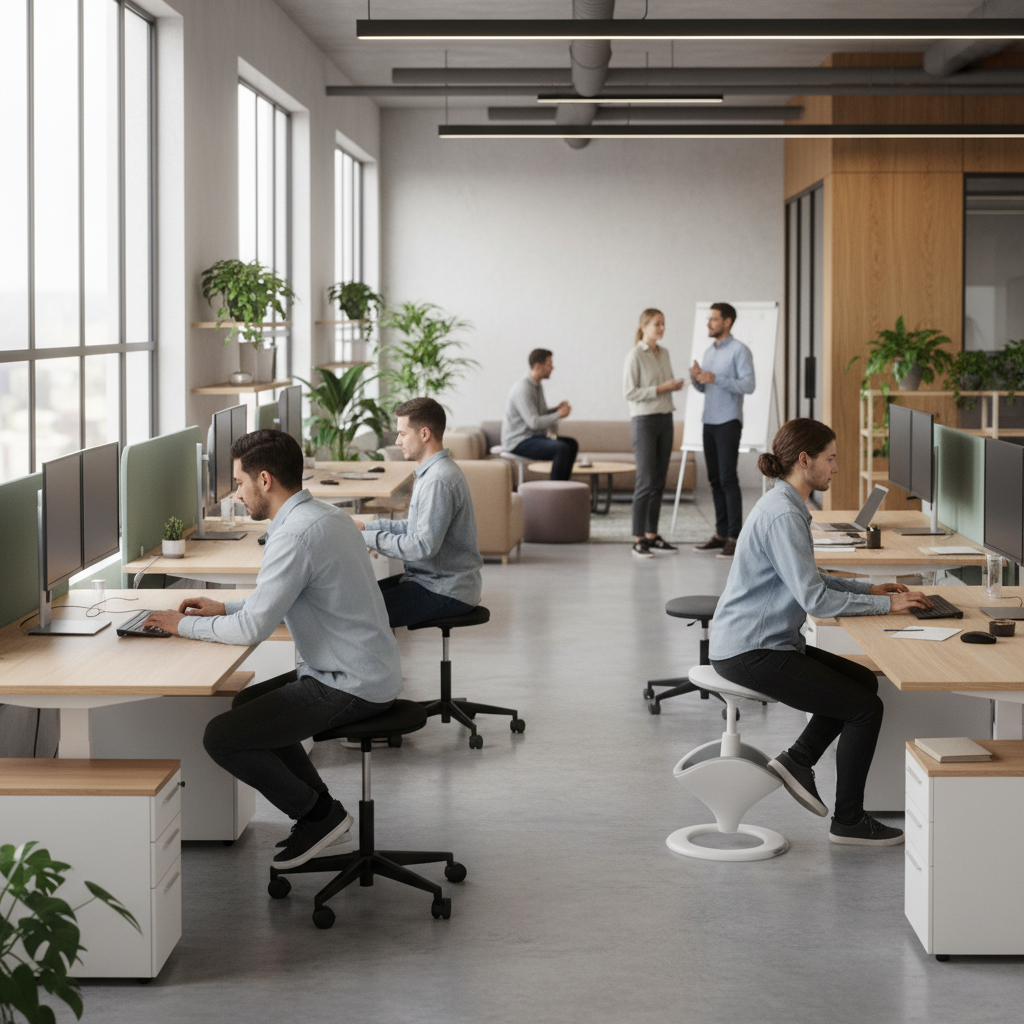
Expert Dr. Anna Ferguson, a renowned ergonomics consultant, notes, "Incorporating task stools into workspaces not only fosters a more dynamic work style but also significantly reduces the risk of musculoskeletal disorders." This statement underscores the growing necessity of such seating options in facilitating a healthier workforce. As the trend of flexible working conditions rises, understanding the benefits of task stools becomes paramount. With this comprehensive guide, we aim to explore the myriad advantages these seating options offer, empowering organizations to make informed choices for their employee well-being and productivity.
Understanding Task Stools: The Perfect Blend of Comfort and Functionality
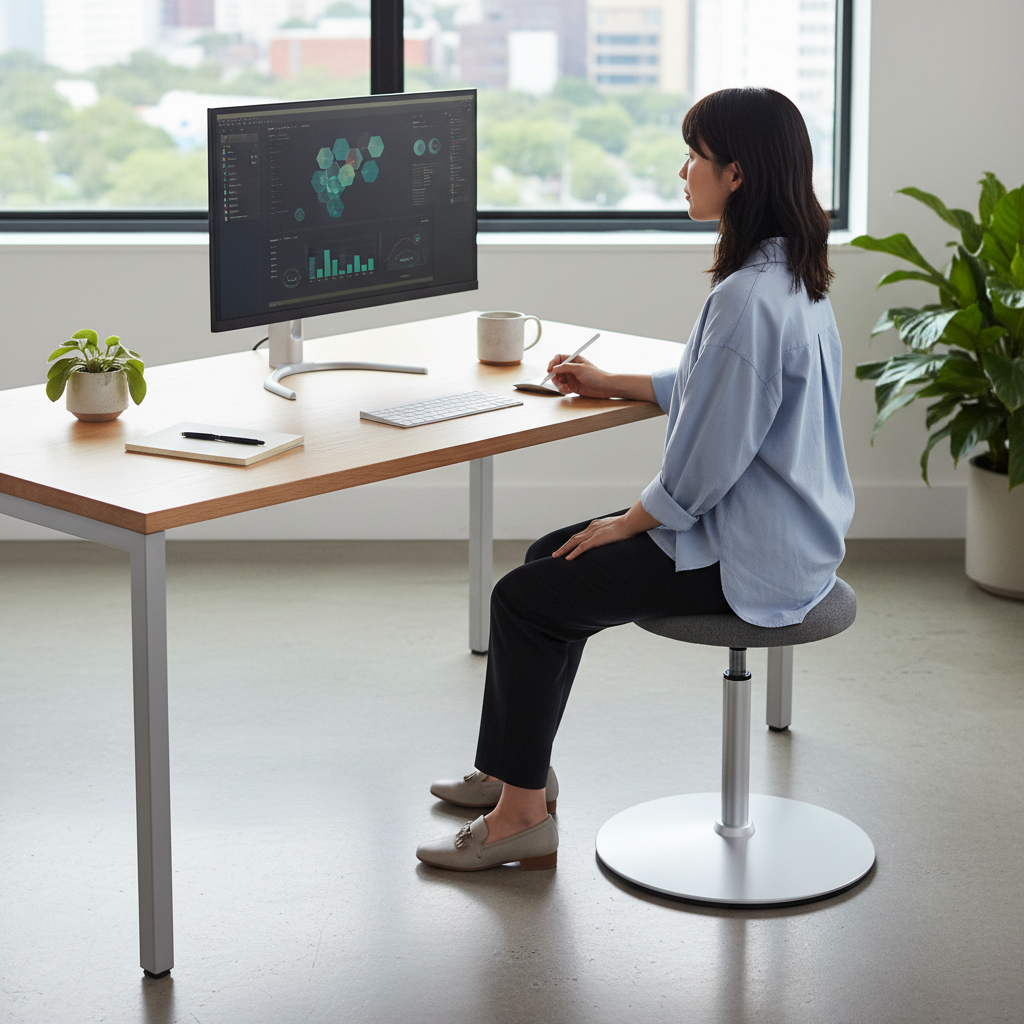
Task stools have emerged as a favored seating solution in various work environments, offering a remarkable blend of comfort and functionality. Designed to provide adequate support while promoting mobility, these stools are perfect for tasks that require a combination of sitting and standing. Their compact design allows for easy maneuverability, making them ideal for dynamic workspaces where flexibility is key. Furthermore, many task stools come with adjustable heights, ensuring that users can find the most ergonomic position for their specific needs.
**Tips for Choosing the Right Task Stool:** When selecting a task stool, consider its adjustability, materials, and overall design. Look for stools with hydraulic mechanisms that allow for quick height adjustments to suit different tasks and user preferences. Opt for breathable materials that promote airflow, keeping you comfortable during extended use. Additionally, ensure that the stool has a stable base to prevent wobbling, especially for those who may be transitioning between sitting and standing frequently.
Ultimately, the right task stool can significantly enhance productivity and comfort in any work setting. By understanding the balance of comfort and functionality, you can make an informed choice that caters to your specific work demands while providing necessary support throughout your day.
Unlocking the Benefits of Task Stools: A Comprehensive Guide
| Feature | Description | Benefits | Ideal For |
|---|---|---|---|
| Ergonomic Design | Designed to support body posture. | Reduces strain on back and legs. | Office workers, artists. |
| Height Adjustable | Can be modified for different heights. | Customizes seating to individual needs. | Drafting, collaborative workspaces. |
| Lightweight & Portable | Easy to move and transport. | Ideal for shared spaces and multi-use areas. | Students, remote workers. |
| Stylish Options | Available in various colors and styles. | Enhances decor while providing functionality. | Home offices, creative spaces. |
| Durability | Made with high-quality materials. | Ensures long-term usability and value. | Frequent use environments. |
Related Posts
-
Global Market Leadership with Best Office Chair Stools from China Focus on Quality and Innovation
-
Unlock Ergonomic Excellence: A Deep Dive into the Specifications and Setup of the Best Business Chair
-
2025: How Smart Innovations Are Redefining the Best Wood Desk Chair Experience for Global Buyers
-

Unveiling the Best Back Chair with Comprehensive Specifications and Usage Tips for Optimal Comfort
-

7 Key Reasons Why Best Leather Boardroom Chairs Enhance Executive Productivity
-
Reliable Quality Chinese Manufacturing for the Best Nesting Chairs Worldwide