What Are the Best Modern Office Chair Types in 2026?
In 2026, choosing a Modern Office Chair means matching its design to real work, not just a showroom photograph. A mesh task chair may suit long video calls; a saddle chair or kneeling chair may feel useful for shorter, varied tasks. Yet no chair type fixes a poor desk height or a screen placed too low. Small details matter: armrests that meet the desk, a seat edge that leaves space behind the knees, and controls you can adjust without standing up.
The market is growing, but growth alone does not prove that one design is better. Grand View Research valued the global office chair market at about $14.3 billion in 2023 and projected continued growth through 2030. The World Health Organization estimates that 1.71 billion people worldwide live with musculoskeletal conditions. That figure covers many causes; it is not evidence that office chairs prevent or cause them. The distinction matters.
Ergonomics researcher Alan Hedge, professor emeritus at Cornell University, is often credited with the reminder: “The best posture is your next posture.” It points toward movement and adjustability, rather than one supposedly perfect sitting position. Still, advice can sound tidier than a real workday. People share desks, work in compact rooms, and forget to change settings. This guide compares modern chair types by support, adjustability, materials, and likely use, so readers can judge what fits their bodies and routines—not just the latest feature list.
How Modern Office Chairs Are Classified in 2026
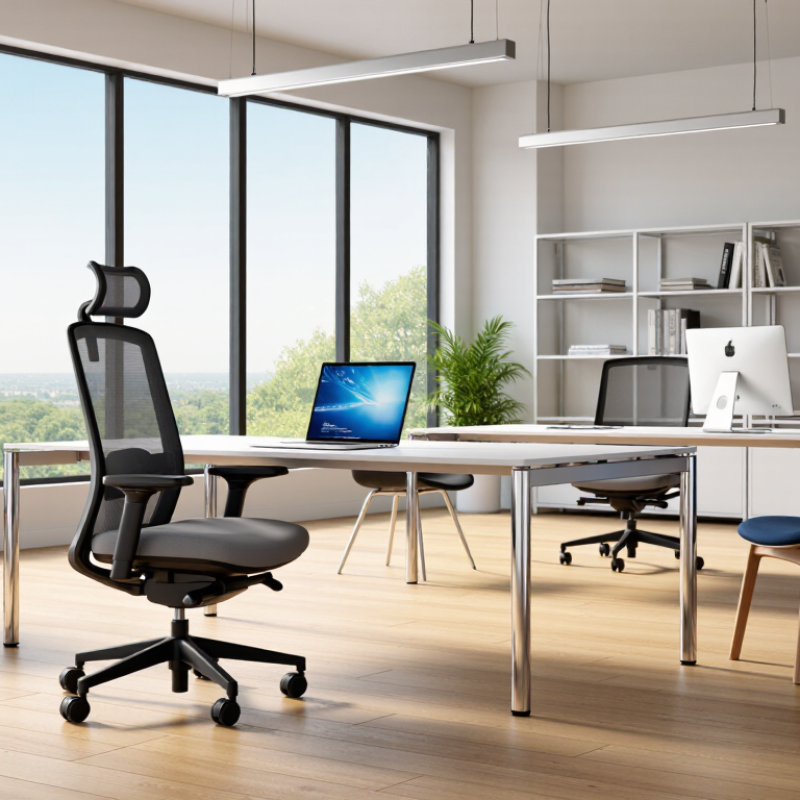
Modern office chairs in 2026 are best classified by how they support a task, rather than by appearance alone. Task chairs suit varied desk work, with adjustable seat height and a backrest designed for frequent movement. Ergonomic chairs add more ways to tune support, such as adjustable lumbar pressure, armrests, and seat depth. Fit matters most. A feature helps only when it matches the user and desk.
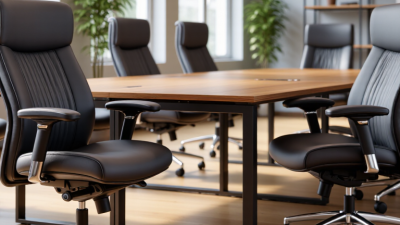
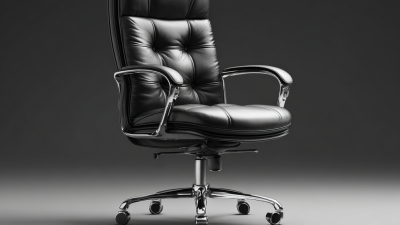
Executive chairs typically have broader seats and taller backs, but size does not guarantee better support. Conference chairs prioritize a consistent posture and a neat profile for meeting rooms. For more specialized needs, kneeling chairs and saddle seats change how the body is positioned; they may suit some users, but can feel tiring during long sessions. Active-sitting models encourage small movements, though they are not a substitute for breaks.
These categories overlap. Not always. A task chair may offer extensive ergonomic adjustments, while a conference chair may be used at a personal desk. A practical comparison should check seat height, back support, adjustment range, and whether feet rest flat on the floor. It should also consider the workday: quiet keyboard tasks, frequent calls, and shared desks place different demands on a chair. Labels are useful, but imperfect; comfort should be assessed over a realistic sitting period, not just a quick showroom test.
The Main Types of Modern Office Chairs
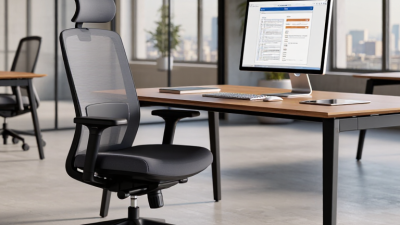
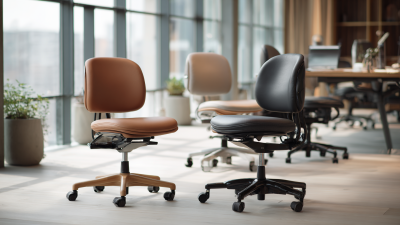
Modern office chairs generally fall into a few useful types, each suited to different work habits. Task chairs are compact and easy to adjust, with a swivel base, rolling casters, and often adjustable seat height. They fit shared desks and smaller rooms. Mesh chairs allow airflow across the back, which can help during long sessions in a warm office. Their tension and lumbar support vary, though. A breathable back alone does not guarantee comfort.
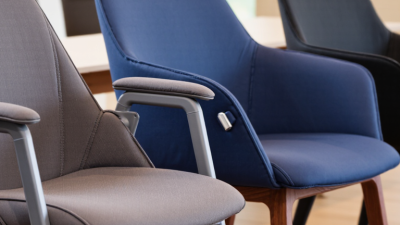
Ergonomic chairs usually offer more adjustments, such as seat depth, arm height, and lumbar support. These controls help match the chair to the person, but they can feel confusing at first. Small details matter. Check that your feet rest flat and your shoulders stay relaxed while typing. Executive chairs often have thicker padding and a taller back. They may feel plush at first, yet soft cushions can lose support during a full workday.
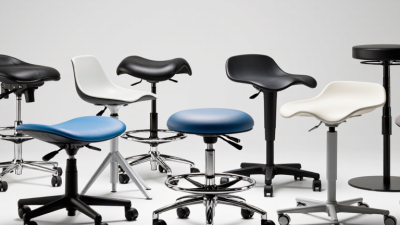
Kneeling and saddle chairs encourage a more open hip angle, but they are not ideal for every user or every task. Drafting chairs add height and often include a foot ring for elevated work surfaces. Conference chairs, by contrast, prioritize a neat appearance and brief meetings over extensive adjustment. No type fixes every posture problem. People sometimes choose by appearance, then discover the seat edge presses behind their knees. Trying a chair at the actual desk can reveal that mismatch.
Ergonomic Features That Distinguish Each Chair Type
Modern office chairs differ less by appearance than by how they support movement. A task chair usually offers adjustable seat height, backrest tension, and armrests. These controls help match the chair to a desk and the user’s body. A good fit leaves feet supported and elbows near desk level. Small adjustments matter.
Mesh chairs use a breathable back that can feel cooler during long work sessions. Look for lumbar support that can be adjusted, rather than a fixed curve that may miss your lower back. Executive chairs often have deeper seats and thicker padding. Comfort can be immediate, but excess depth may press behind the knees. Plush is not always practical.
Kneeling chairs and saddle stools encourage a more open hip angle, but they suit only some tasks and users. They may shift pressure rather than remove it, so gradual use is sensible. Sit-stand stools pair well with adjustable desks and brief standing periods; they are not ideal as a full-day substitute for a supportive chair. I still find chair labels less useful than a careful fit test. Sit, adjust, and notice whether you can change posture without strain. No single chair type works for everyone.
Best Modern Office Chair Types in 2026: Ergonomic Features Compared
A qualitative comparison of the ergonomic features commonly emphasized by each chair type.
Ratings use a 1–5 scale, where 5 indicates stronger typical emphasis. Task chairs generally prioritize adjustability and support, while kneeling chairs, saddle chairs, and active-sitting stools emphasize different sitting positions or movement. These are qualitative category-level ratings, not product test results; features vary by model.
Materials and Technologies Used in Modern Office Chairs
Modern office chairs in 2026 combine familiar materials with more adjustable support. A breathable mesh back can reduce heat during long sessions, while a padded seat may feel softer at first. Neither is automatically better. Comfort depends on body shape, room temperature, and how long you sit.
Look closely at the frame and moving parts. Aluminum is light and corrosion-resistant; steel often feels sturdy but adds weight. Recycled plastics and fabrics can lower material waste, though durability varies by construction. High-density foam may hold its shape longer than softer foam, but it can feel firm. Adjustable lumbar supports, seat-depth controls, and synchronized recline mechanisms help users fine-tune posture. Small details matter. Check that controls are easy to reach and do not wobble. No material is perfect, and specifications alone cannot predict how a chair will feel after months of daily use.
Tips: Sit in the chair for at least ten minutes if possible. Adjust the seat so your feet rest flat and your knees bend comfortably. Test the recline and lumbar support, then notice pressure at the seat edge. A showroom trial is useful, but your home desk may feel different.
Choosing a Chair Type for Different Work Needs
Choosing a chair type starts with the workday, not the room’s style.
For focused computer work, an adjustable task chair usually offers practical support: seat height, backrest angle, and armrests can be matched to the desk. Feet should rest flat, with knees near hip level. Small detail, big difference. If you switch between spreadsheets and video calls, easy adjustments matter more than extra padding.
For long stretches of writing or analysis, look for a chair that supports the lower back without forcing a rigid posture. A breathable back can feel more comfortable in a warm room, while a seat with a rounded front edge may reduce pressure behind the knees. No chair replaces movement. Stand, stretch, and change position when the task allows. For sit-stand desks, a drafting chair with a foot ring can help during seated periods, but check that its height range fits the desk.
Meeting rooms call for different priorities.
A conference chair may be simpler and easier to move, since users sit in it for shorter periods. Managers who spend hours at a desk may prefer a more supportive, adjustable design over a bulky executive style. Shared offices need durable upholstery and controls that are easy to understand. A chair can look ideal online and still feel wrong after an hour; if possible, test it at your actual desk. Not always convenient, but useful.