China Best Desk Armchair Manufacturers for Global Buyers
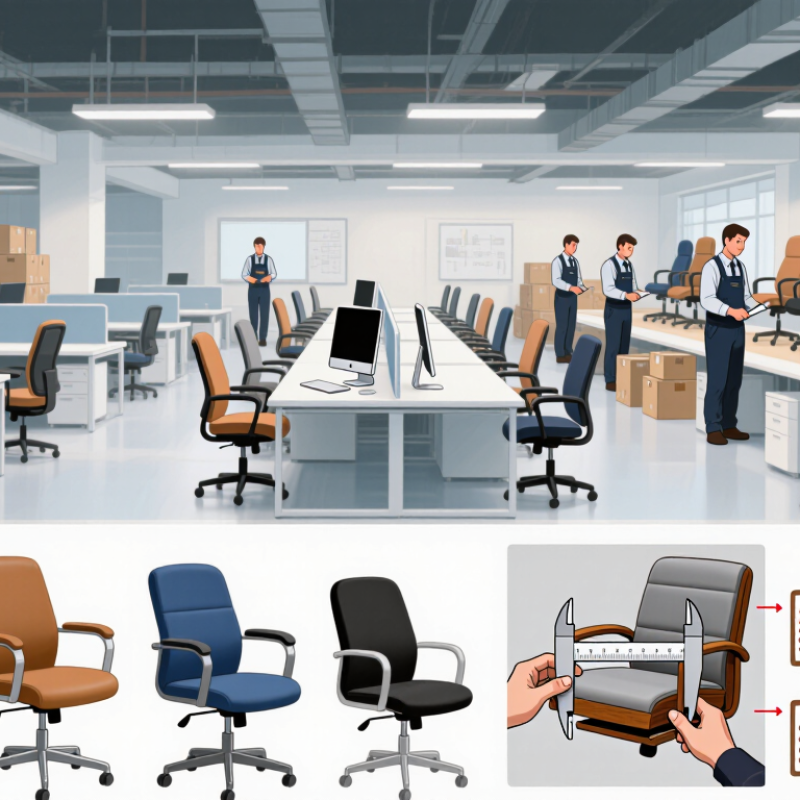
Global buyers comparing China Best Desk Armchair Manufacturers need more than attractive product photos. A dependable supplier should explain how each Desk Armchair is designed, built, inspected, and prepared for export. Buyers can compare frame materials, upholstery options, seat dimensions, adjustment mechanisms, and available finishes. These details affect comfort, durability, and how well a chair fits a particular workspace.
Details matter. A small difference in seat height or armrest shape can change the user experience during a full workday. Ask for clear product specifications, current factory photos, sample options, and written quality-control procedures. Confirm production capacity, lead times, packaging methods, and communication arrangements before placing an order. If compliance documents are relevant to your destination market, request copies and verify them with an appropriate independent party. A confident sales reply is useful, but it is not proof by itself.
This guide introduces factors that can help buyers assess manufacturers and narrow their shortlist. It also considers customization, pricing, logistics, and after-sales support, since the lowest quotation may not represent the lowest overall cost. Compare like with like: materials, order quantities, shipping terms, and inspection scope can vary. Some suppliers may look similar online. Their actual consistency can still differ. Requesting a sample and checking the details takes time, and it may not reveal every production issue, but it offers a more grounded starting point than a catalogue alone.
China’s Swivel-Seat Trade: Reading HS 9401.30 Export Data
China Best Desk Armchair Manufacturers for Global Buyers
China’s Swivel-Seat Trade: Reading HS 9401.30 Export Data
HS 9401.30 covers swivel seats with variable-height adjustment, offering a useful starting point for tracking desk chair exports. It does not capture every detail buyers care about. Upholstery, armrests, frame materials, and ergonomic features may not appear separately in the code. Useful, but incomplete.
When reviewing export data, compare annual values, shipped quantities, destination markets, and reporting periods. Check whether figures come from customs records or a trade database, and note the country reporting each shipment. A rising value does not always mean more chairs were shipped; prices and product mix can change. Unit values offer a rough signal, not a reliable quote. Small batches of premium chairs can lift the average.
For sourcing, use HS 9401.30 to identify broad trade patterns, then verify product details directly with suppliers. Ask for specifications, sample dimensions, seat-height ranges, and carton measurements. These details help distinguish a basic swivel chair from a well-fitted desk armchair. Classification practices and national tariff extensions can also vary, so confirm the code against the relevant customs schedule. Trade data gives direction. It cannot replace product checks, and that gap is easy to underestimate.
China Best Desk Armchair Manufacturers for Global Buyers - China’s Swivel-Seat Trade: Reading HS 9401.30 Export Data
| Data dimension | Value or definition | How to interpret it |
|---|---|---|
| HS code | 9401.30 | The six-digit Harmonized System subheading used for swivel seats with variable height. |
| Product description | Swivel seats with variable height | This is the HS subheading description. Product classification should be checked against the importing country’s tariff schedule and the item’s specifications. |
| HS heading | 9401 | Covers seats (other than those of heading 9402), whether or not convertible into beds, and parts thereof. |
| Reporting economy | China | For an export query, China is the reporting economy whose declared outbound trade is being examined. |
| Trade flow | Exports | Use the export flow when measuring goods reported as leaving the reporting economy. This is distinct from partner-country import records. |
| Reporting period | Calendar year or month | Trade databases provide period-based records. Compare like periods, and check whether the latest period is complete before drawing year-on-year conclusions. |
| Trade value | Reported monetary value, commonly shown in current U.S. dollars in international trade databases | Value is a reported trade measure, not a quoted product price. Valuation conventions and currency conversion can affect comparisons. |
| Net weight | Weight of the goods, generally recorded in kilograms when reported | Useful for comparing shipment scale, but availability and reporting completeness can vary by dataset and record. |
| Supplementary quantity | Quantity and unit, where reported | The unit can depend on the reporting schedule. Check the dataset’s unit field before comparing quantities across records. |
| National tariff extension | May contain more digits than the six-digit HS code | Countries can extend the HS code for national customs purposes. A national code may distinguish products not separated at the international six-digit level. |
| Company and brand detail | Not included in this table | HS-level trade statistics describe classified goods and trade flows; they do not, by themselves, identify individual manufacturers or brands. |
This table describes the HS classification and fields used to read export statistics; it does not present annual export totals. For observed values, query the relevant year, trade flow, partner, and HS classification in UN Comtrade and verify the applicable national tariff code with the destination customs authority.
Related Posts
-
10 Best Office Chair Stools for Global Buyers?
-

Unveiling the Finest Office Chair Crafted by Leading Manufacturers in China
-

How to Choose the Perfect Office Work Chair for Your Needs
-

10 Office Armchair Buying Tips for Global Buyers
-

What Is a Modern Office Chair and How to Choose One?
-

Who Are the Top Back Chair Suppliers in China?